









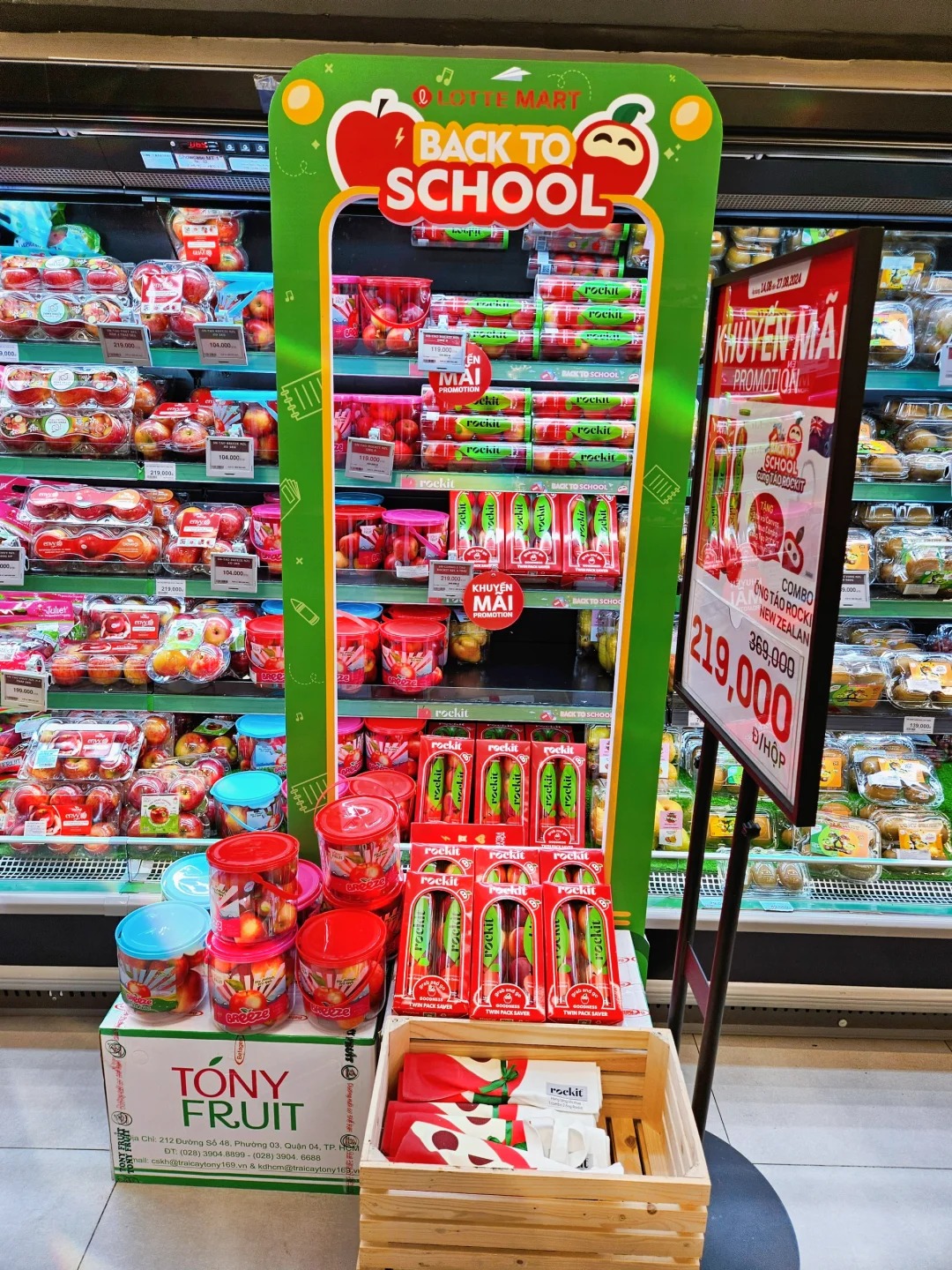
Why FMCG POSM Design Fails to Launch: 4 Root Causes
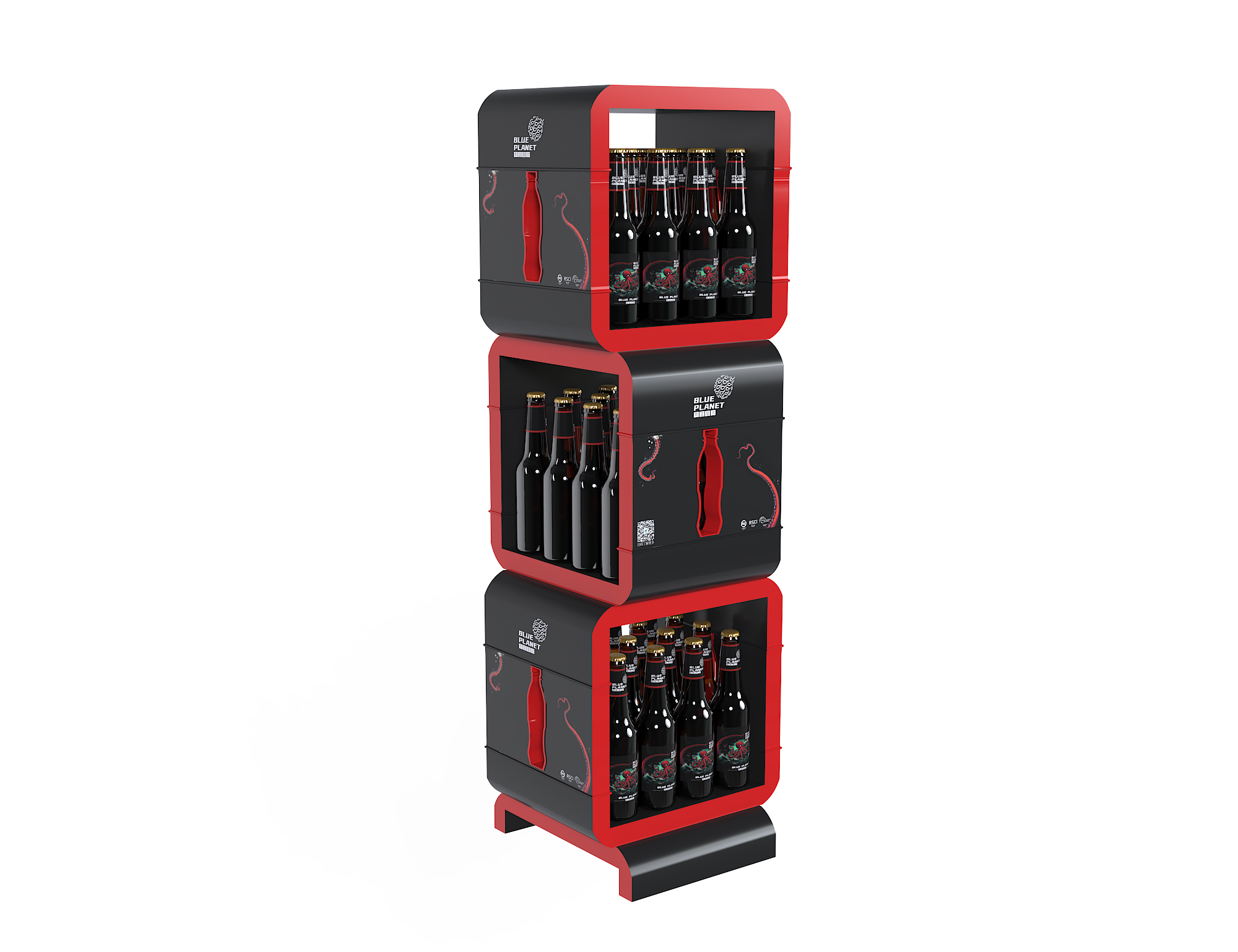
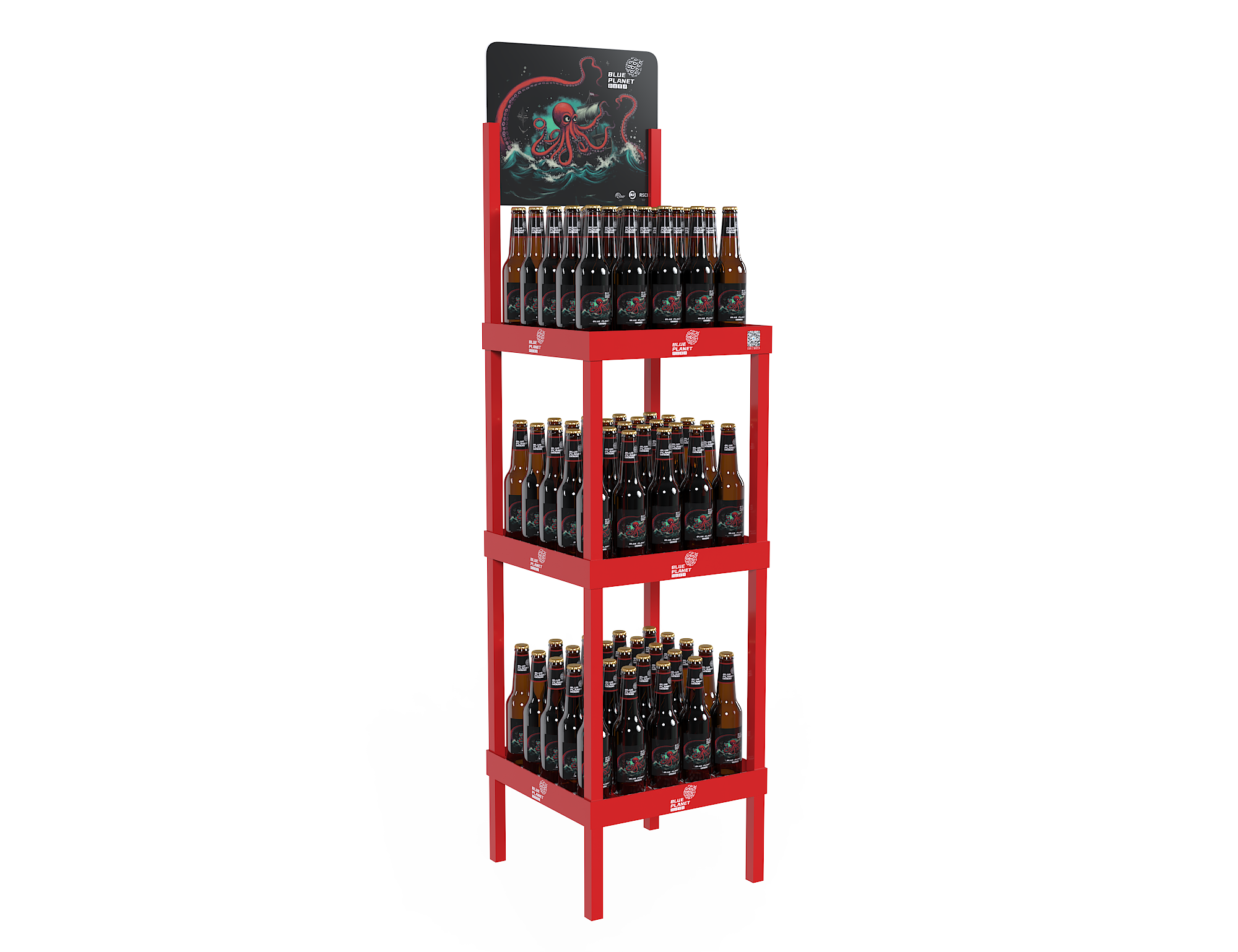
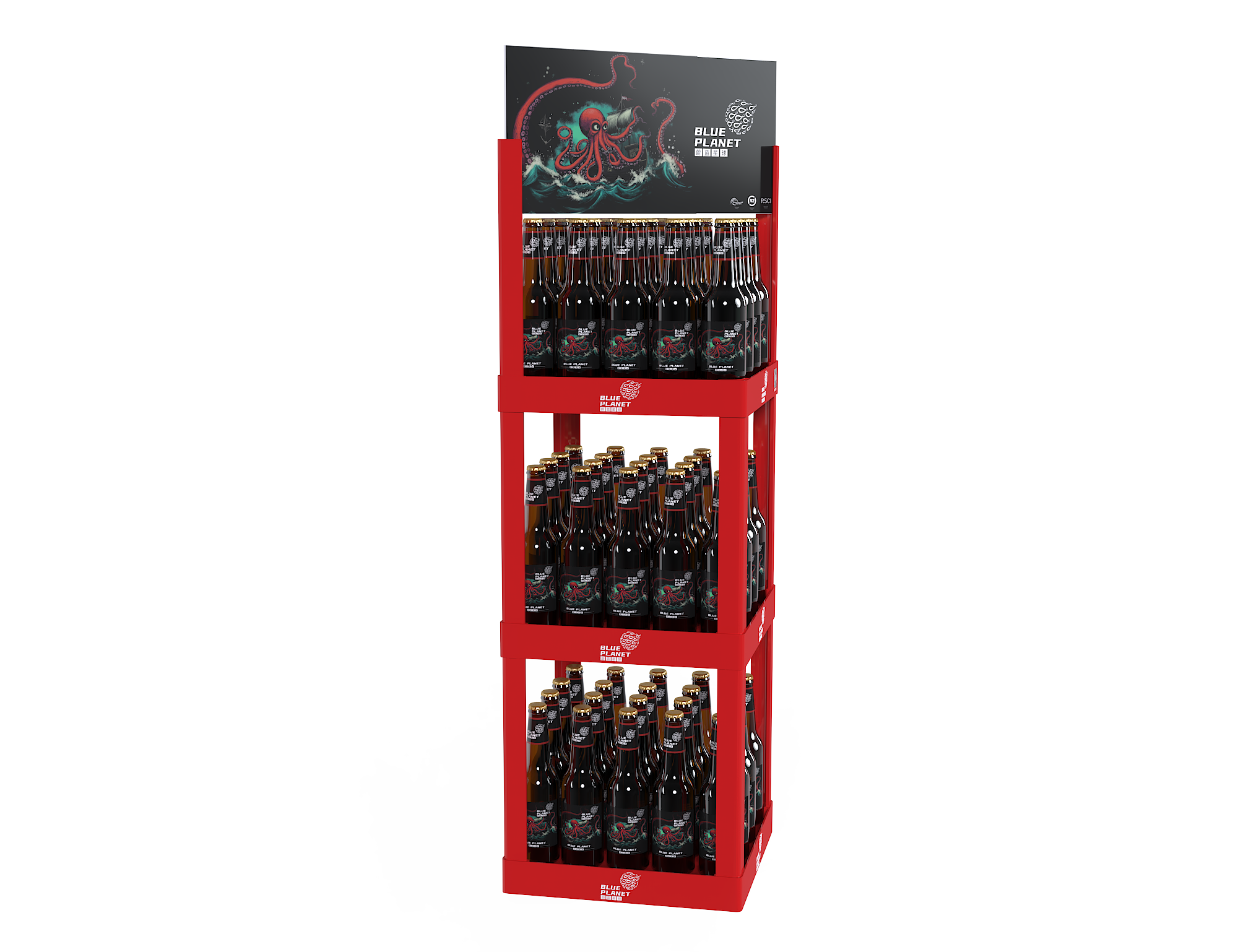
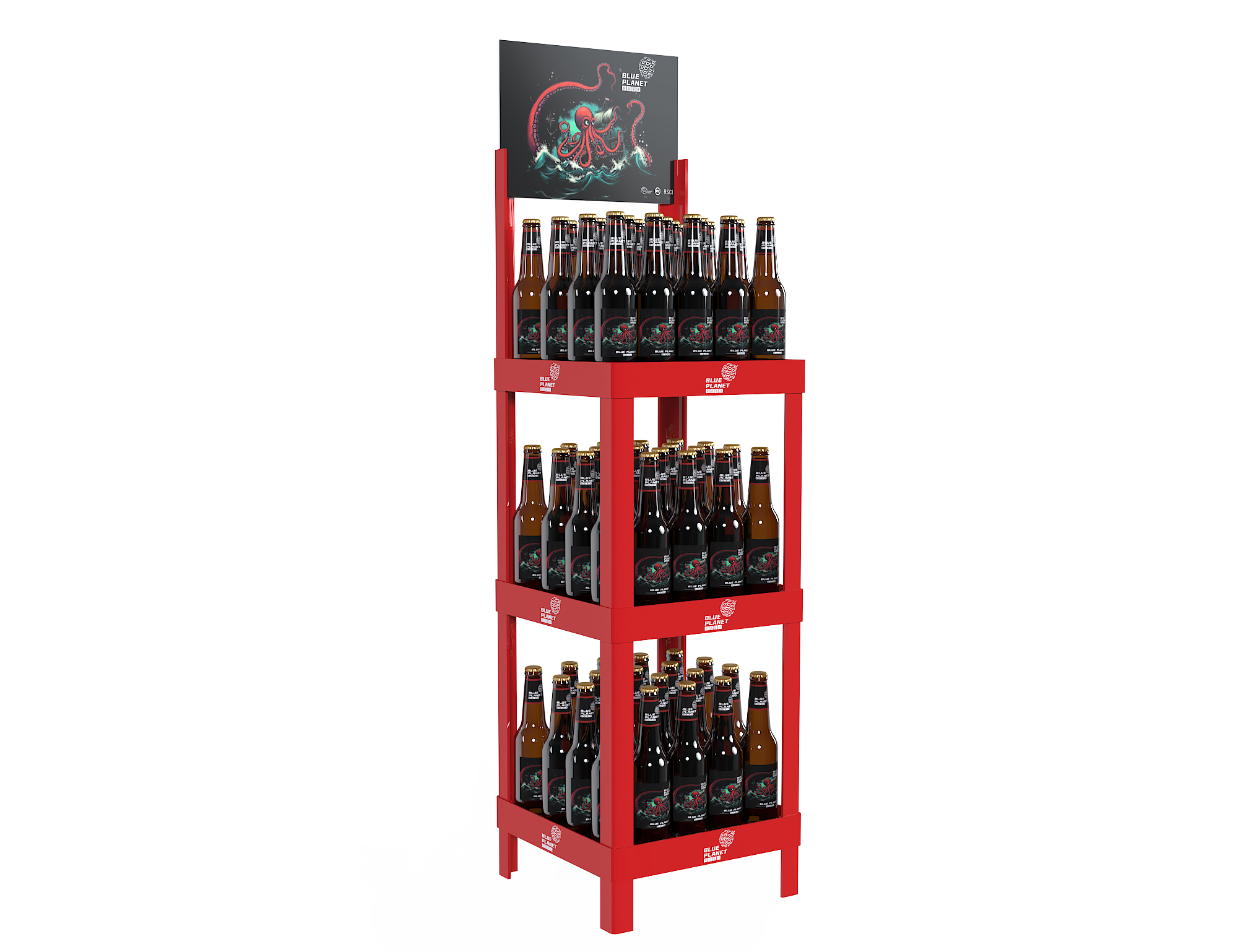
Anyone who has walked the aisles of a convenience store during a holiday trip has probably noticed it: display racks that don’t fit the shelf, price talkers no one reads, promotional stands gathering dust in a stockroom instead of the sales floor. In the fast-moving consumer goods (FMCG) industry, POSM design — point-of-sale materials like shelf talkers, display stands, and PDQ packaging — is supposed to be the final nudge that turns a browser into a buyer. Too often, it never even makes it onto the shelf. Here are the four root causes.
1. Design Disconnected from the Real Store Environment
Many POSM designs are created without accounting for actual shelf dimensions, layout constraints, or physical space at the point of sale. A visually striking concept on a designer’s screen can be structurally incompatible with the shelving most stores actually use — and simply can’t be installed.
There’s also a communication gap: different retail channels have different display standards and approval rules, so a piece built for one channel may be rejected by another. When the material doesn’t clearly communicate a core selling point or promotion, it fails to intercept and convert shoppers in the few seconds they’re in front of the shelf — undermining the entire point of the investment.
2. Production Complexity and Cost Overruns
When an in-house design team or agency specifies materials and finishes that exceed a factory’s production capability, costs spiral or lead times stretch past the promotional window. Overly complex printing techniques or premium materials often get rejected late in the process simply because they’re too expensive to produce at FMCG scale — where thousands of units, not dozens, are usually needed.
Cost control has to happen at the design stage, not after the quote comes back. A render that looks beautiful but costs too much per unit is not a usable POSM — it’s a rejected budget line.
3. Weak Alignment Between Brand and Sales Teams
POSM design frequently breaks down not because the artwork is bad, but because the brand team and the sales team never really talked. Sales and market-facing teams understand shopper needs, competitor moves, and regional nuances better than anyone — and their input is critical during the design process. Without it, designers often can’t answer the most basic question: what problem is this material actually solving?
Just as important, sales teams are rarely included in the review stage. The result is POSM that looks fine in a deck but is awkward to install, doesn’t fit different channel formats, and frontline staff quietly resist using.
4. Supply Chain and Fulfillment Gaps
Trading companies or agencies without their own factory or a stable supplier network often can’t deliver POSM on time, on spec, and at volume — especially during peak season or urgent requests. A supplier with limited capacity or unreliable raw material access simply cannot meet a brand’s order at scale, and the material never reaches stores in time to matter.
Getting POSM Design Right
The takeaway: POSM fails to launch when design, cost, cross-team alignment, and supply chain aren’t solved together. Brands that treat POSM as a single production line — from concept to shelf — are the ones whose materials actually get used.
In practice, this means building a single review checklist that every POSM concept has to clear before production is approved: does it fit standard shelf dimensions across your top three channels, does the production spec match what your supplier can actually deliver at volume and on schedule, has a sales or field team member signed off on it before the final render, and does the supply chain have enough lead time buffer for peak season. Brands that skip any one of these checks are the ones that end up with a warehouse full of unused stands six months later.
Related reading: a practical POSM budget guide for new brands 和 how Coca-Cola standardizes shelf display. External reference: POPAI (Point of Purchase Advertising International) publishes benchmark research on in-store display effectiveness worth linking to as a dofollow citation.