








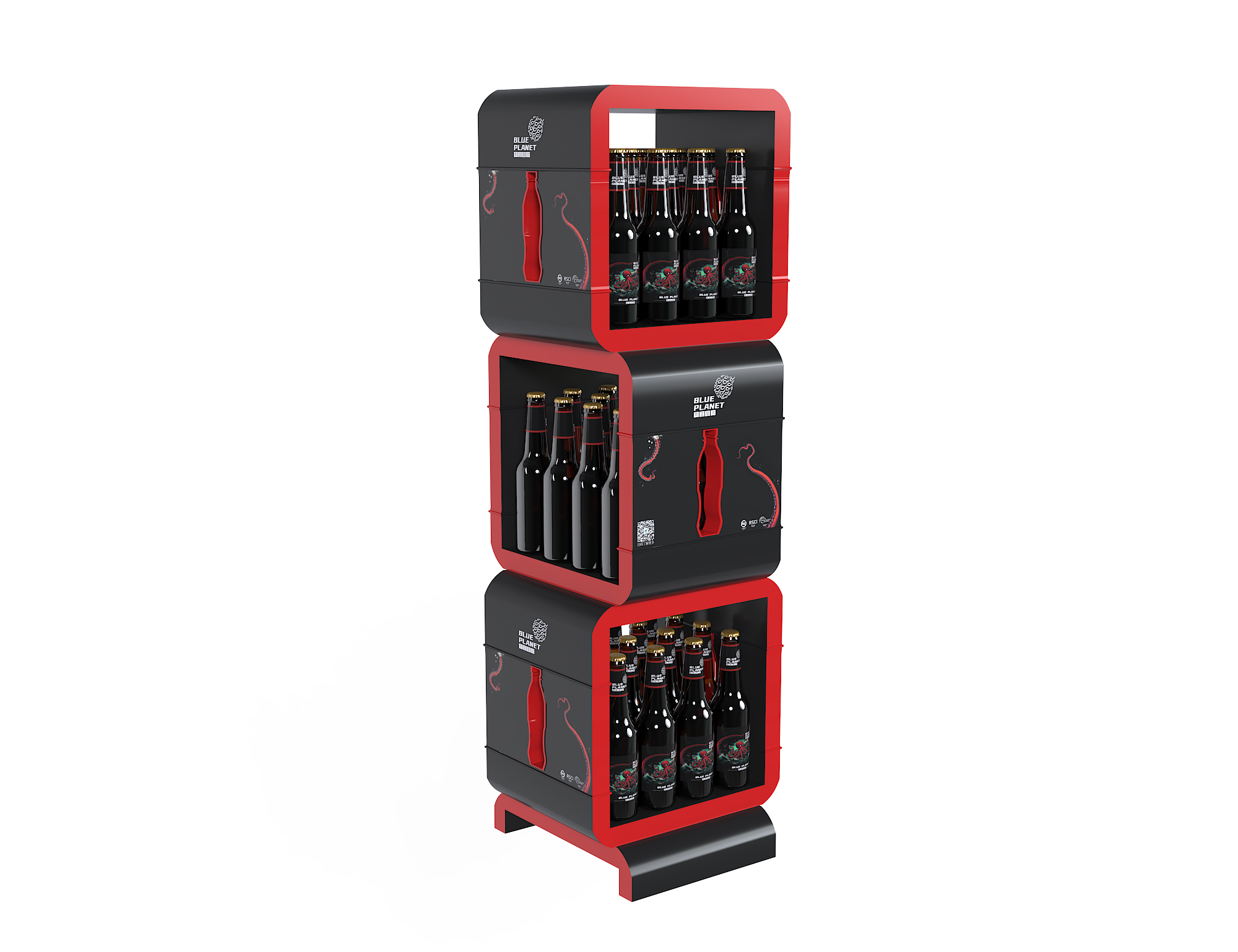
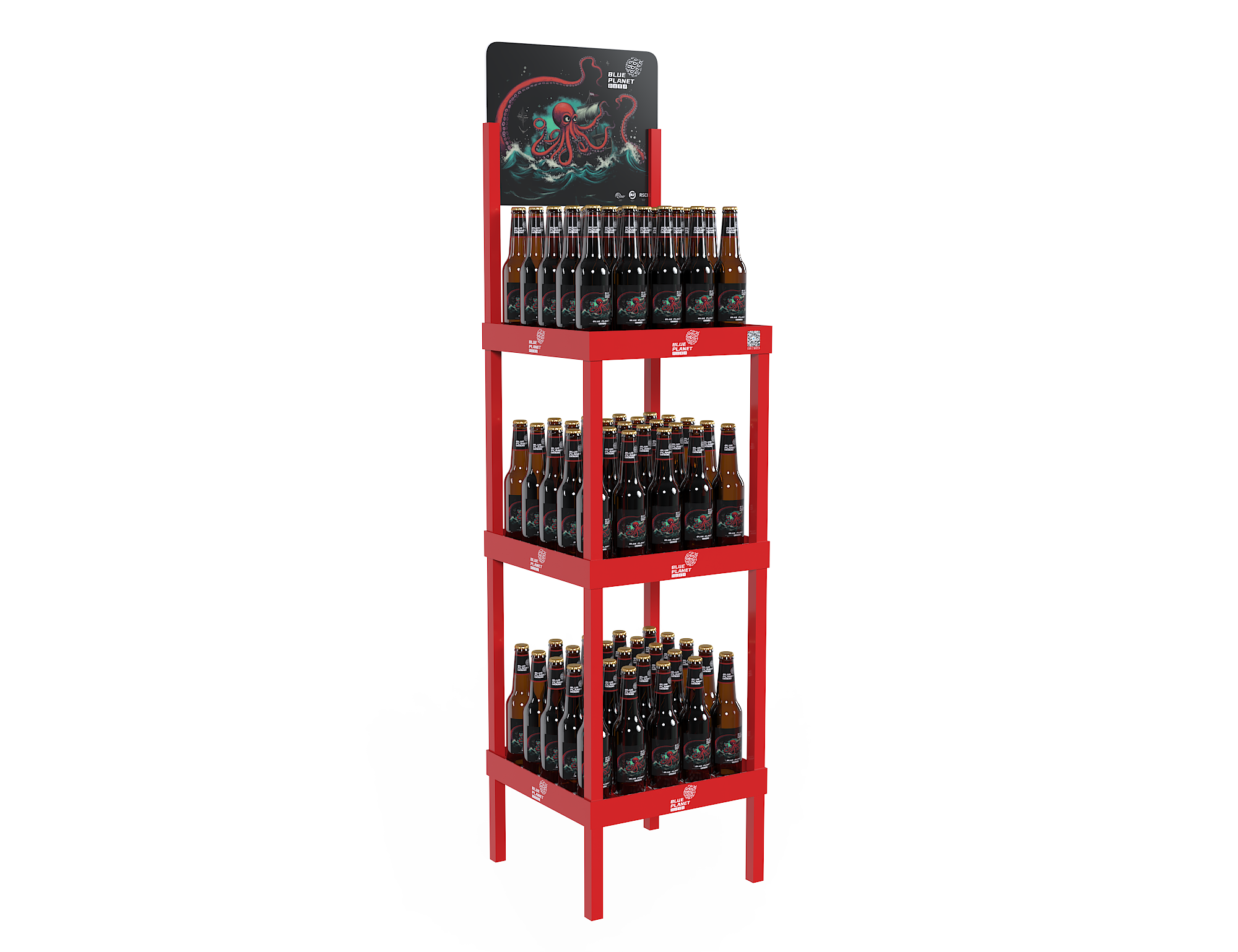
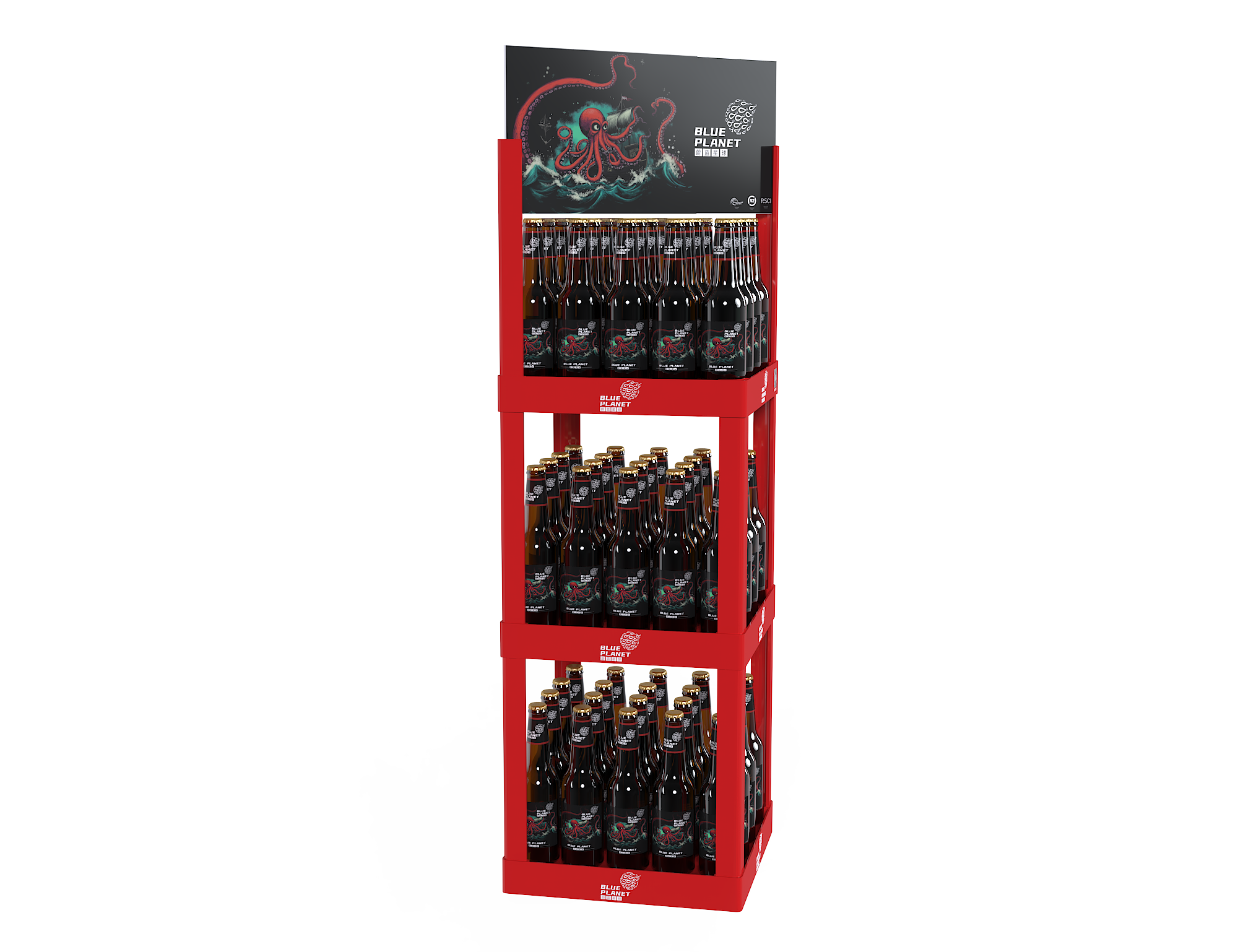
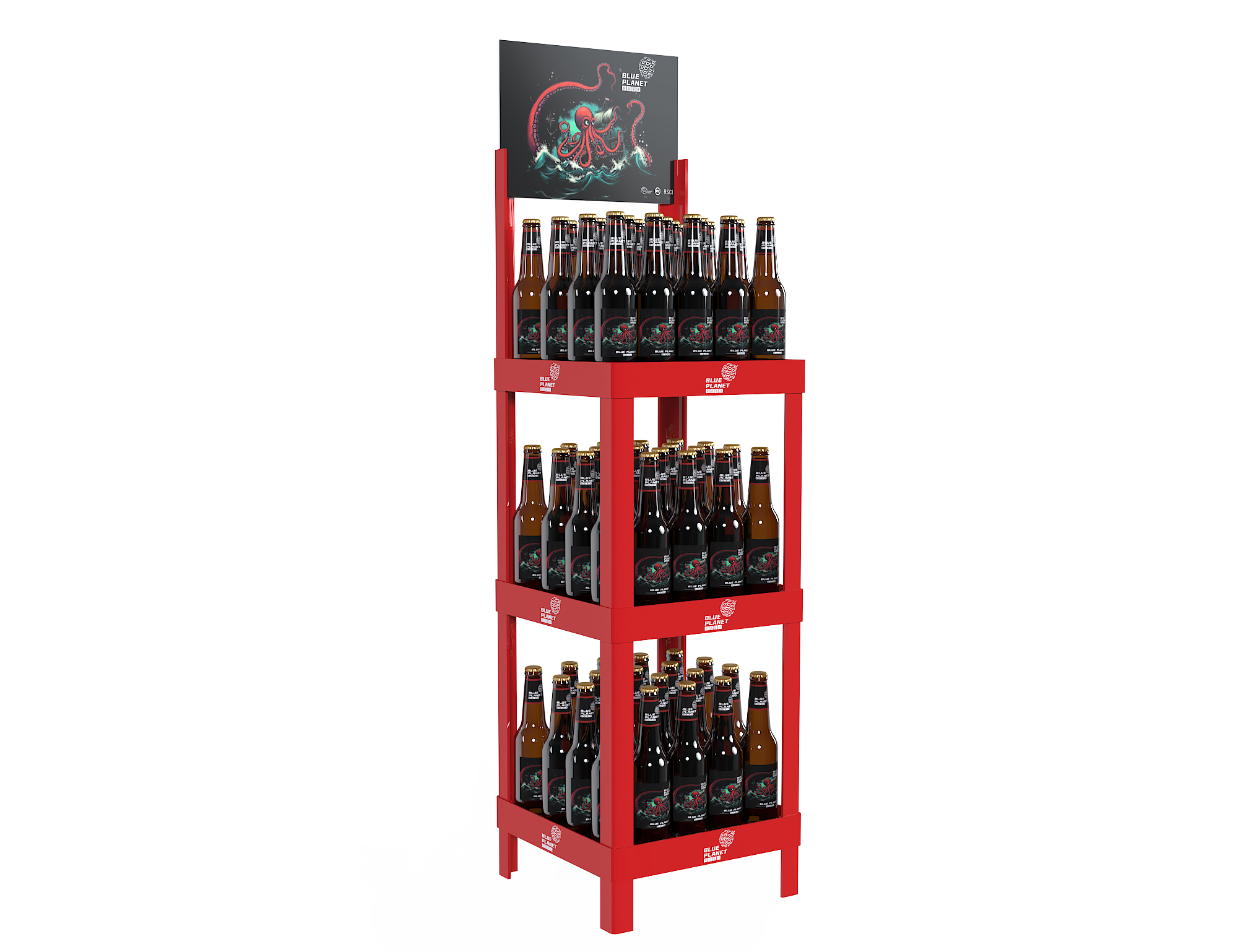

Should FMCG Brands Keep Investing in Offline Retail in 2026?
Online channels are growing fast, but for fast-moving consumer goods, offline retail investment still delivers value that e-commerce simply can’t replicate. Judging by category behavior, consumer habits, and market trends, offline remains structurally important — it just needs to evolve.
Why Offline Retail Can’t Be Replaced
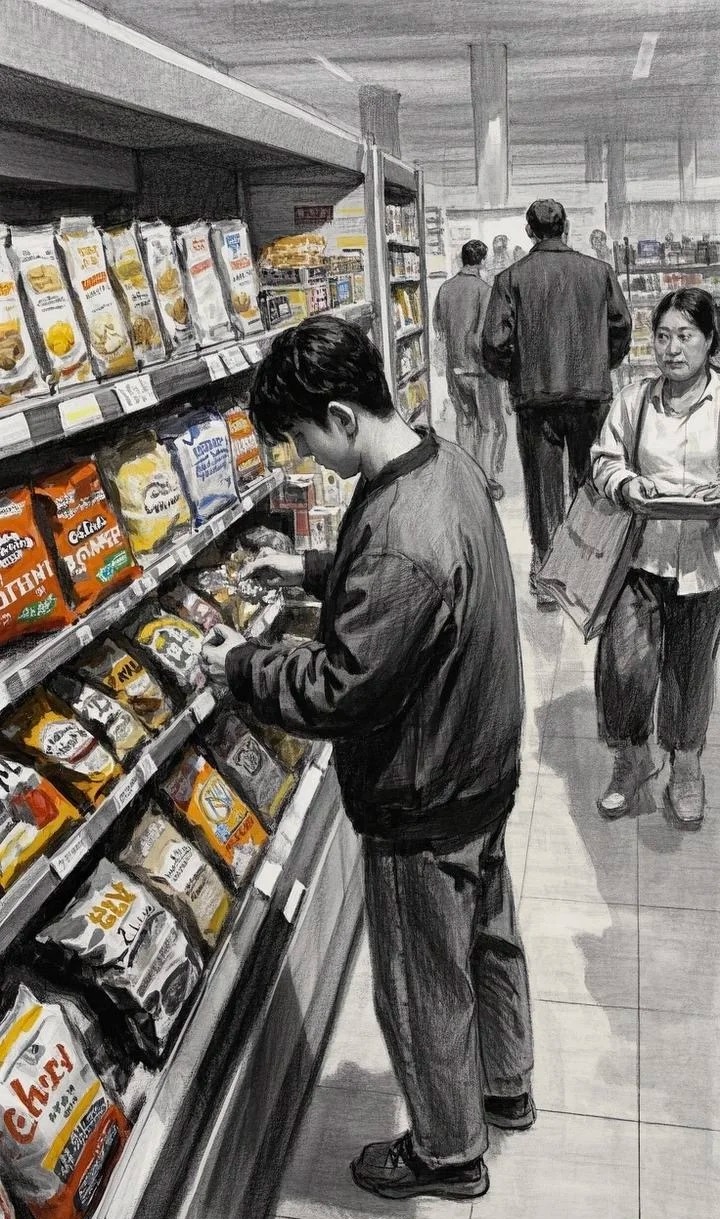
Instant-need moments. Categories like beverages, snacks, and personal care rely on impulse purchases and immediate gratification — convenience stores and supermarkets are still the core scenario. A shopper craving a cold drink on a scorching afternoon isn’t going to wait for delivery.
Lower-tier market penetration. In third- and fourth-tier cities and county markets, traditional channels — mom-and-pop shops, wholesale markets — still account for over 60% of sales (Kantar Worldpanel data), and community stores remain the key touchpoint for reaching middle-aged and older consumers.
Sensory experience drives purchase. Beauty sampling and food tasting convert at 3–5x the rate of online equivalents (L’Oréal’s 2023 annual report), and in-store beauty-advisor service lifts trial-to-purchase conversion by 40%.
Where Offline Retail Investment Should Evolve
Smarter channel segmentation:
- Tier-1 cities: build “brand experience showrooms” (like a Coca-Cola concept store) focused on brand image, not direct sales.
- Community stores: convert into micro-fulfillment “forward warehouses” tied to quick-commerce platforms, enabling 3km/30-minute delivery.
- Supermarkets: prioritize membership warehouse formats (Costco-style), using high inventory turnover to offset rent.
Scenario-based content integration:
- Convenience stores add fresh breakfast zones — fresh food already contributes 42% of revenue at chains like 7-Eleven.
- Pharmacies pair with supplements for dedicated health zones.
- Baby/maternity stores add parenting classes to drive offline event conversion above 35%.
The Verdict
Offline investment is still necessary, but it needs structural adjustment. Brands should consider shifting 30–40% of offline budget toward smart-store renovation, experiential zone construction, and digital system deployment — while keeping core terminal locations — using operating-model innovation to lower marginal cost.
As virtual consumption becomes the default, the value of physical touchpoints becomes the differentiator. Real, tangible experience is what creates competitive advantage when everything else moves online. The brands winning offline in 2026 aren’t the ones spending the most — they’re the ones spending on the right format for each channel tier.
A practical starting point for any brand reassessing its offline footprint is a simple channel audit: rank every physical touchpoint by dwell time, repeat-visit rate, and whether the format still matches how the surrounding neighborhood actually shops. Locations that score low on all three are prime candidates for conversion into a forward warehouse or a leaner, digitally-supported format, freeing budget for the touchpoints that are still doing real commercial work rather than simply occupying a lease.
A quick offline-investment checklist for 2026 budget planning:
- Rank every location by dwell time and repeat-visit rate before deciding what to renovate first
- Confirm which categories in your portfolio genuinely depend on impulse or sensory trial versus those that don’t
- Test a micro-fulfillment conversion on one underperforming location before rolling the model out network-wide
- Set a specific percentage — not a vague intention — for the share of budget shifting toward experiential and digital-system upgrades
See also: point-of-sale marketing 2026: a complete guide 和 shopper insights and POSM synergy. External reference: Kantar Worldpanel’s consumer panel data on lower-tier market channel share is a strong dofollow citation for this claim.