









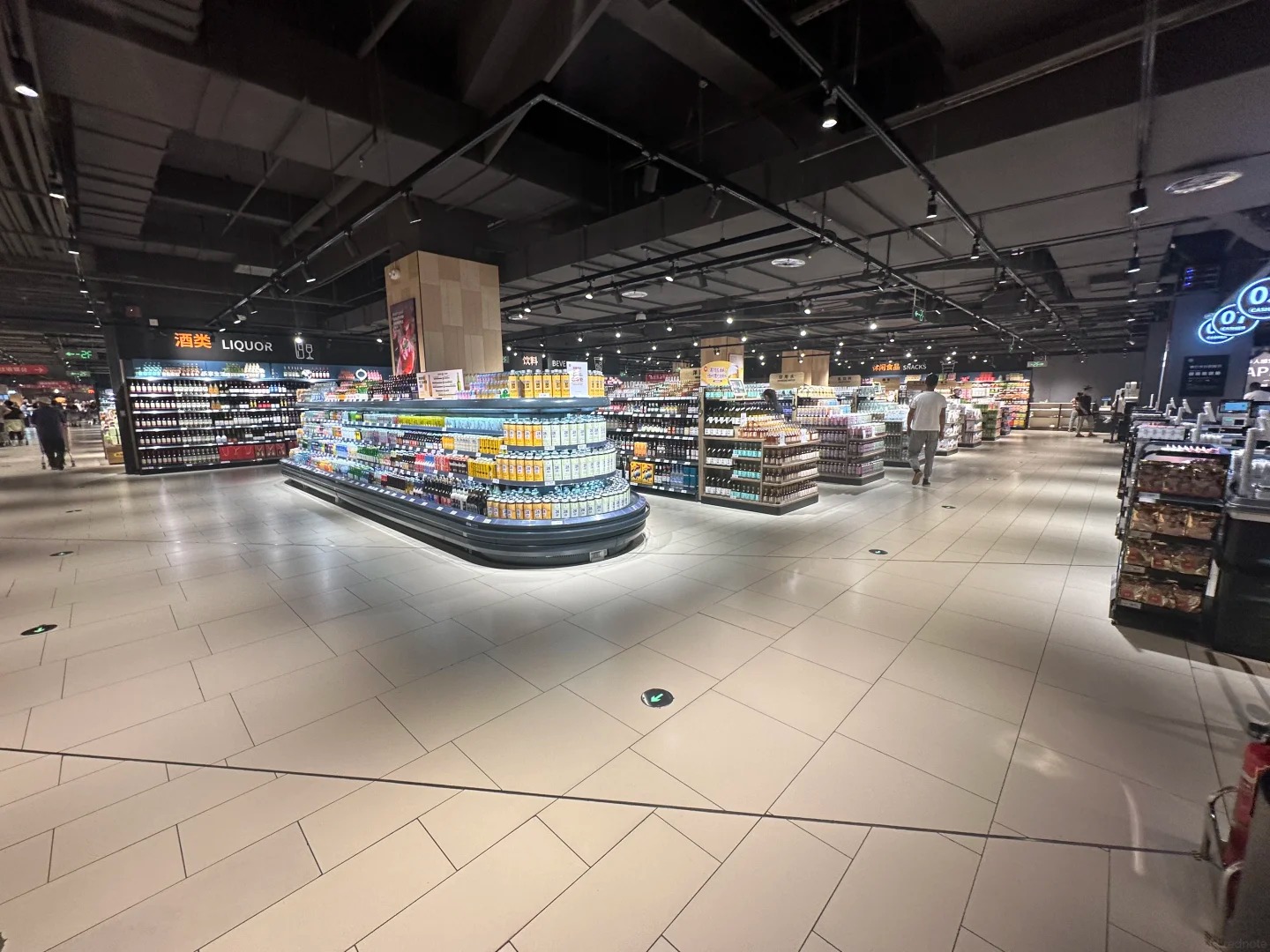
Point-of-Sale Marketing: Why the Shelf Beats Packaging
Brand teams often describe a familiar frustration: online ads are funded, seeding content is live, shoppers walk into the store — and still buy the competitor’s product off the next shelf. The problem usually isn’t the upstream marketing. It’s what happens at the true last line of defense: point-of-sale marketing (POSM) at the retail shelf.
Shoppers Decide in 3 Seconds
Here’s the number to remember: 70% of purchases are decided while the shopper is standing in front of the shelf — especially for impulse categories like snacks and beverages. POSM is the final push:
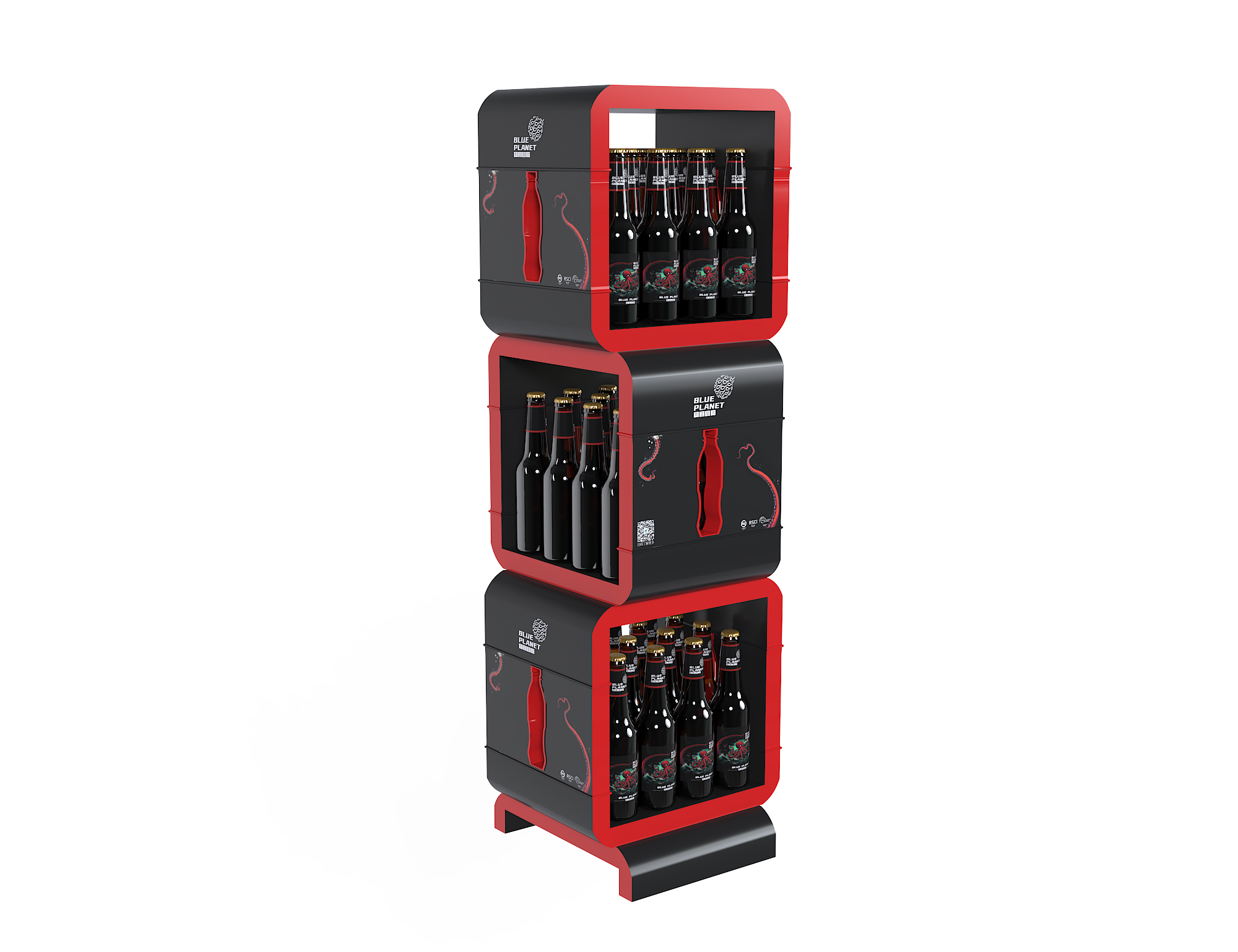
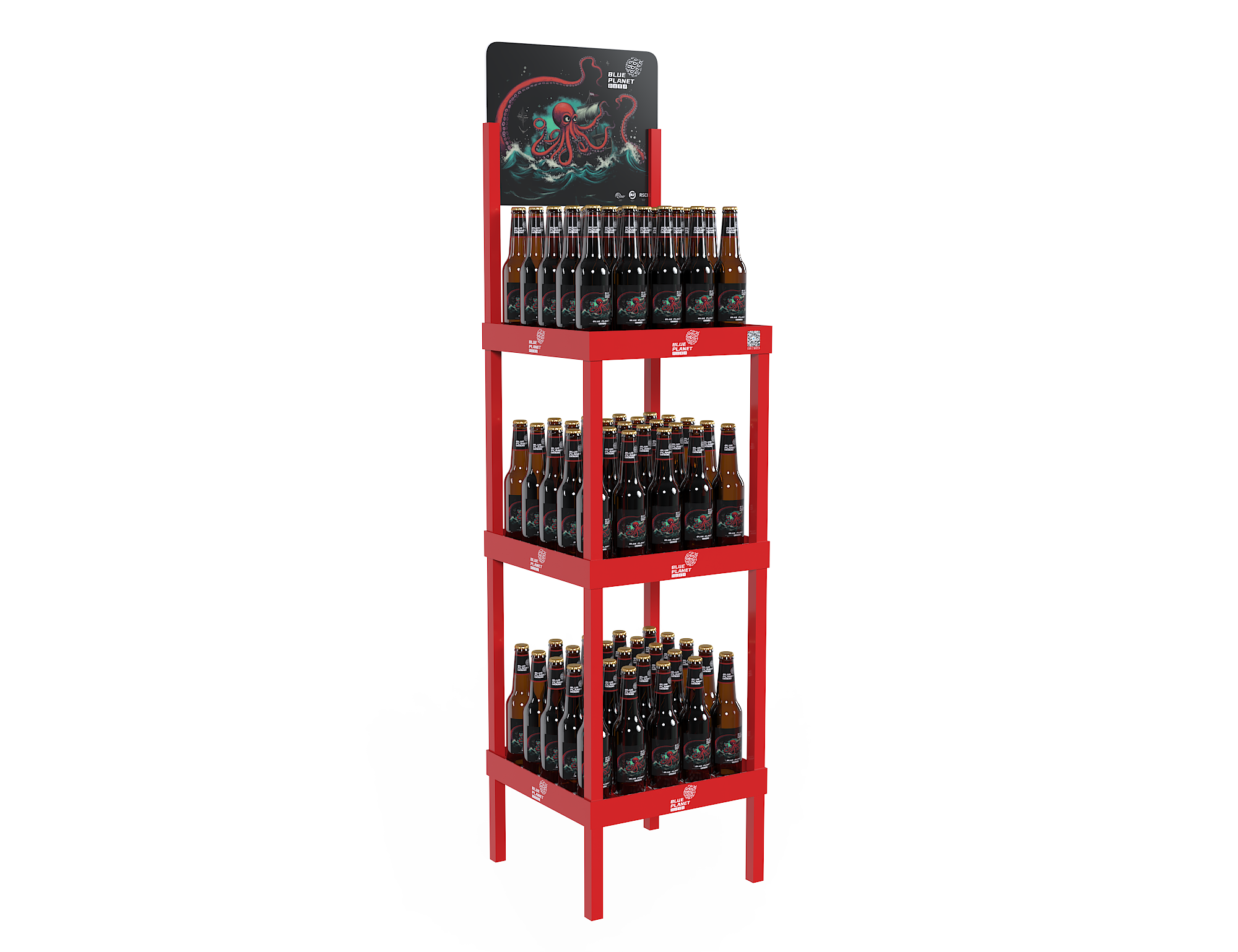
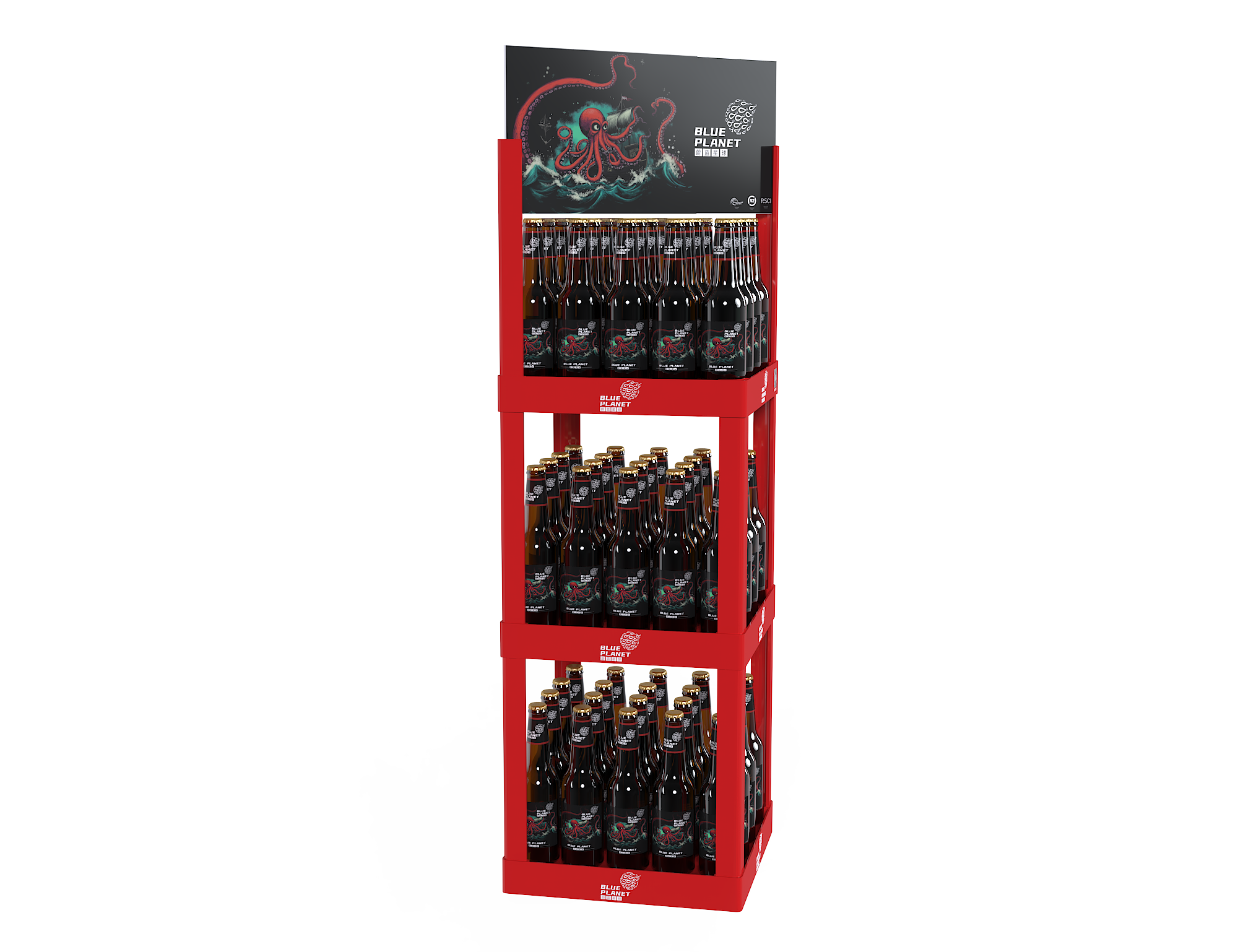
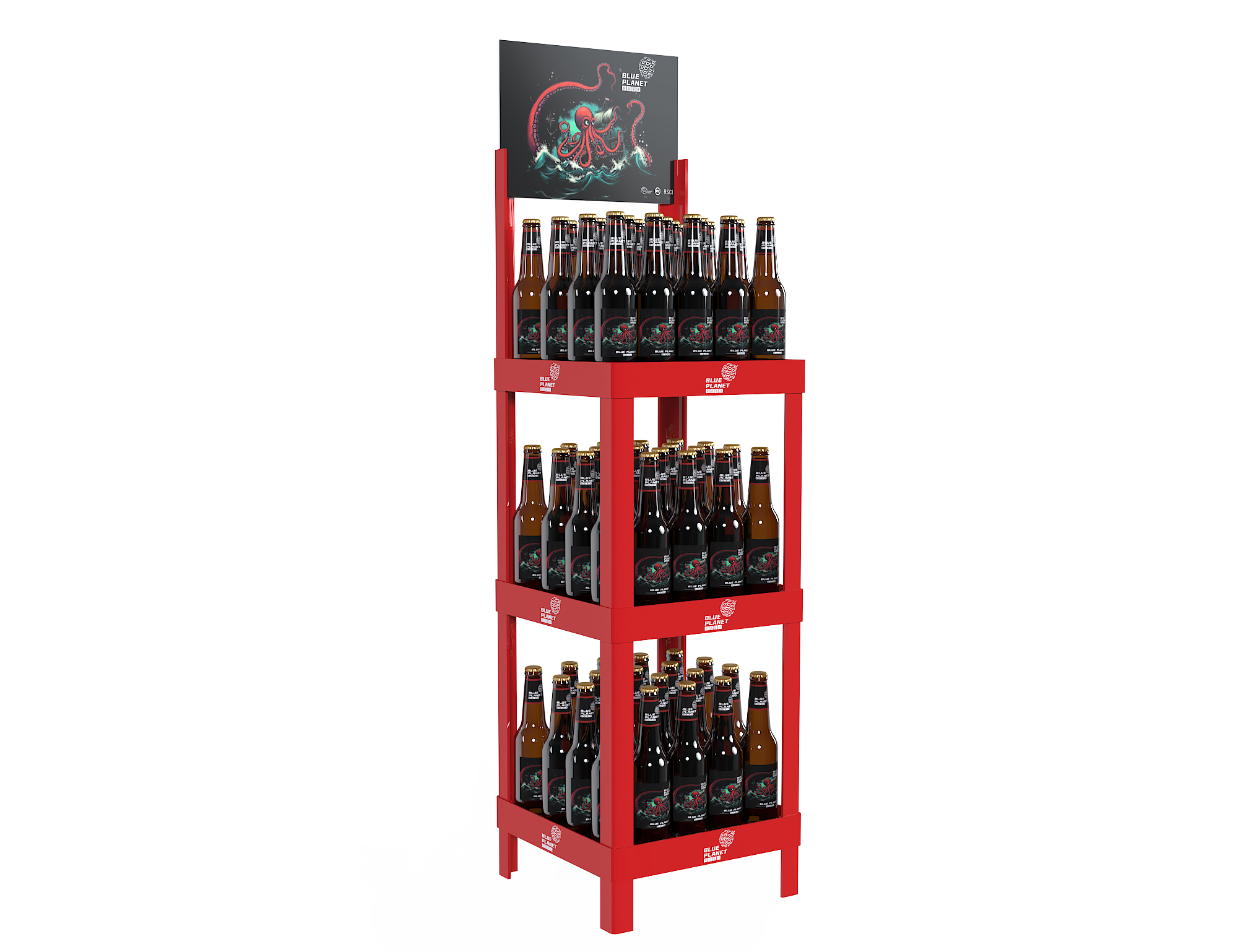
- Jump cards and floor displays cut through visual noise instantly.
- Shelf talkers and PDQ cartons communicate “cheap,” “new,” or “healthy” within three seconds.
- Mini showcases and end caps build a themed bundle that nudges shoppers to grab more than one item.
The core principle: at the exact moment a shopper is undecided, precise messaging gives them the push they need.
One Brand Voice Across Every Channel
Membership clubs, new-retail grocery formats, and neighborhood stores all play by different rules — so how does a brand keep its display consistent everywhere? POSM is the channel translator: warehouse clubs get oversized PDQ packs and wall-scale signage matching a bulk-buying mindset; new-retail/smart grocery gets interactive digital-screen POSM; regional supermarkets get heartfelt, locally-flavored copy that creates resonance. Whatever the channel, POSM lets a brand speak the same language without fragmenting its identity.
The Real Conversion Engine
The data doesn’t lie: strong POSM can lift sales by 20%+ directly, especially for categories like chips and candy. It works in three steps: Attention, where light, sound, and motion catch the eye; Interest, where sampling lets shoppers try before buying; and Action, where precise messaging pushes an immediate decision.
Fighting Category Sameness
When every product on the shelf looks alike, price wars are the only lever left — unless POSM builds a distinct identity. Repetition, such as a mascot appearing on displays, shelf talkers, and end caps everywhere, builds recognition through familiarity. Heartfelt copy beats generic claims by a wide margin — a warm, local phrase resonates far more than a plain “delicious” or “best-selling” label. Creative placement can even crowd a competitor visually out of the sightline, without needing better shelf space to begin with.
Bottom line: online seeding opens the door — point-of-sale marketing is what actually breaks it down. The moment a shopper stands in front of the shelf, POSM is the last, and most important, persuader, catalyst, and gatekeeper.
For brand teams auditing their own point-of-sale marketing, the fastest diagnostic is to stand in a real store and time how long it takes to identify the promotion, the price, and the reason to buy right now — from three different angles a shopper might actually approach the shelf from. If that takes more than three seconds from any angle, the material is failing the exact test it exists to pass, no matter how polished it looks in a planning deck.
Related: how Coca-Cola standardizes shelf display 和 why POSM design often fails to launch. External reference: Nielsen/NIQ in-store display and impulse-purchase conversion studies support the 70%-decided-at-shelf figure above.