









Turning Emotional Consumption Into Retail Terminal Strategy
Emotional consumption is reshaping FMCG retail terminal marketing at every level, pushing strategy away from pure function and toward emotional connection. Here’s how it plays out at the shelf, from scent to data to social sharing.
1. Scenario-Based Experience Design
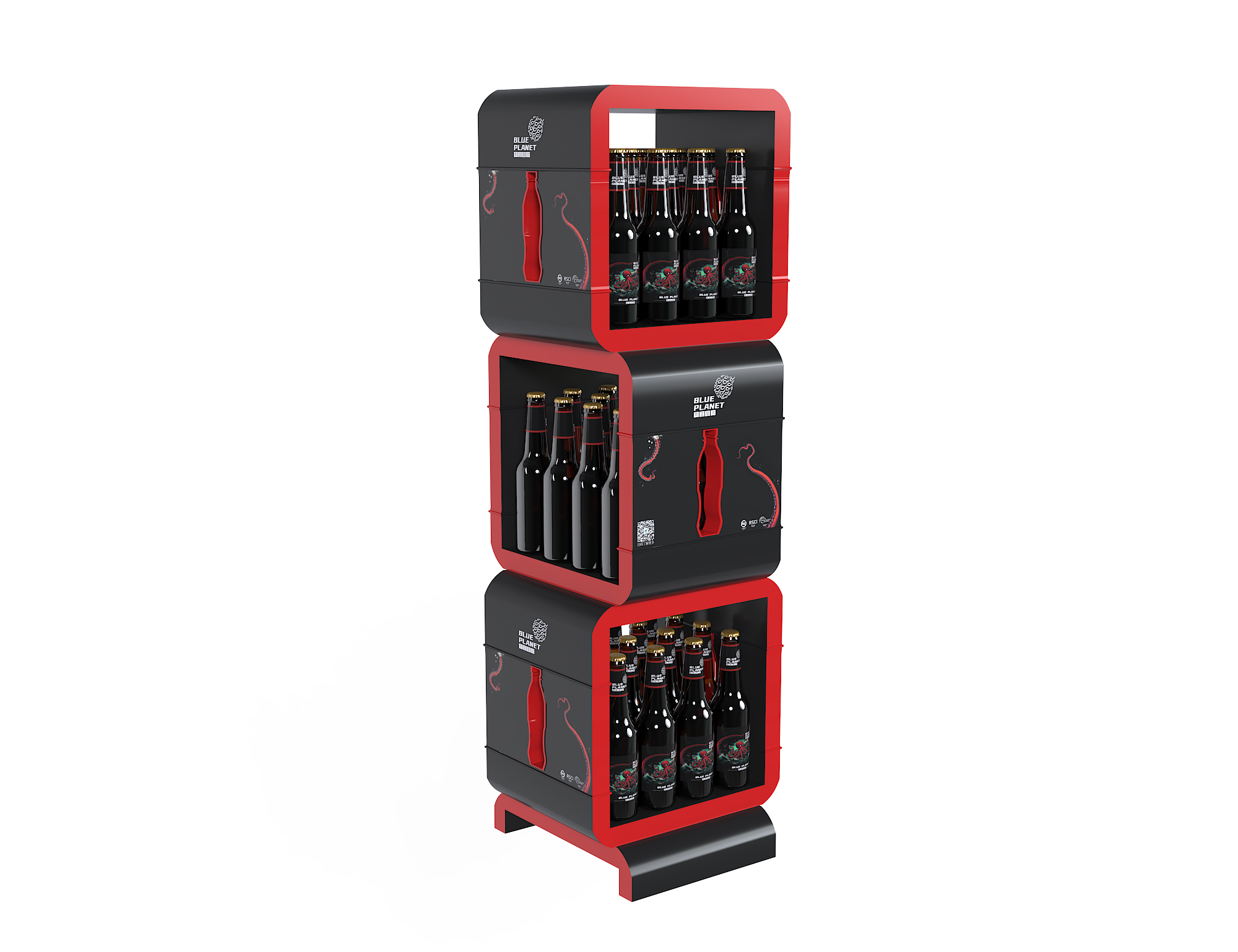
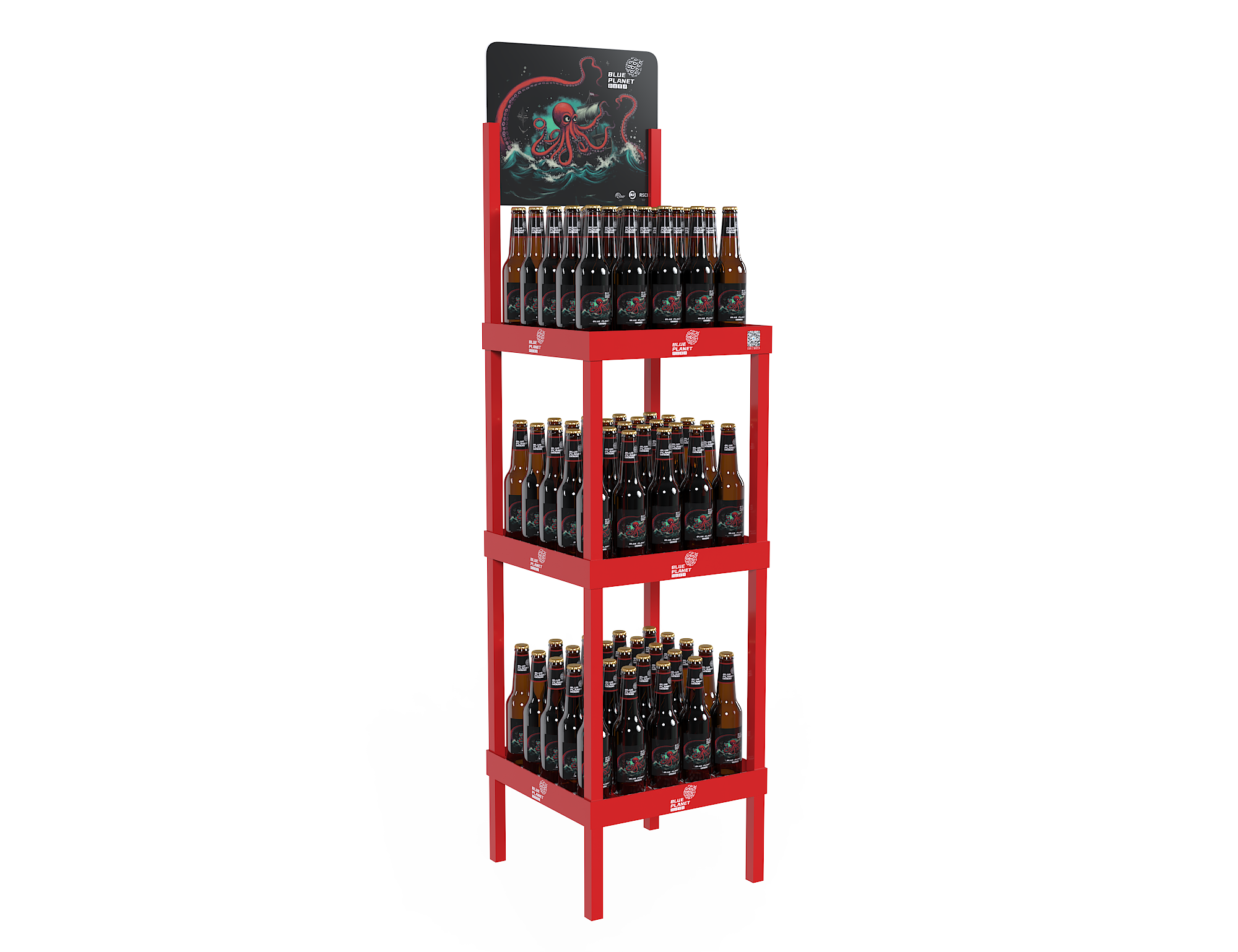
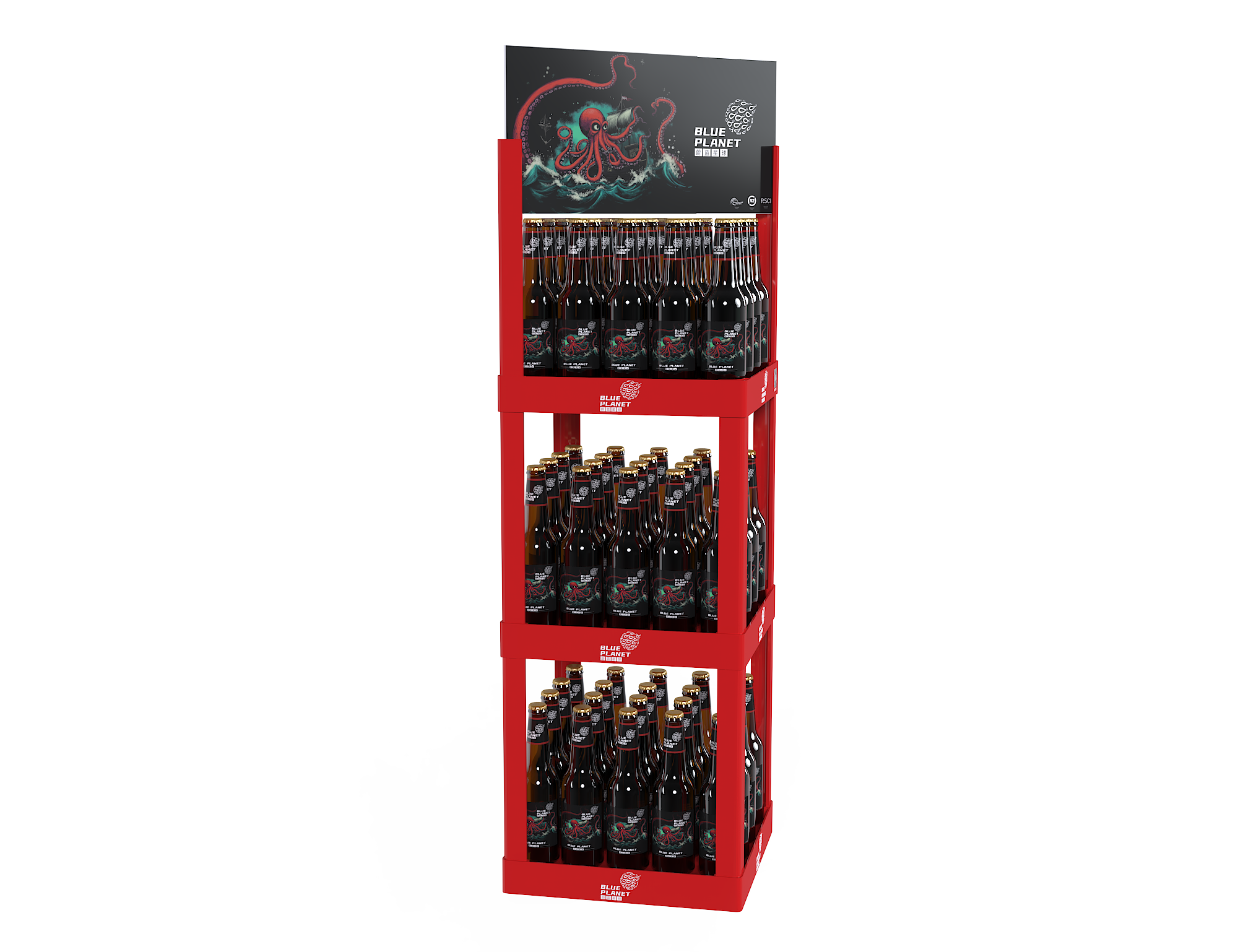
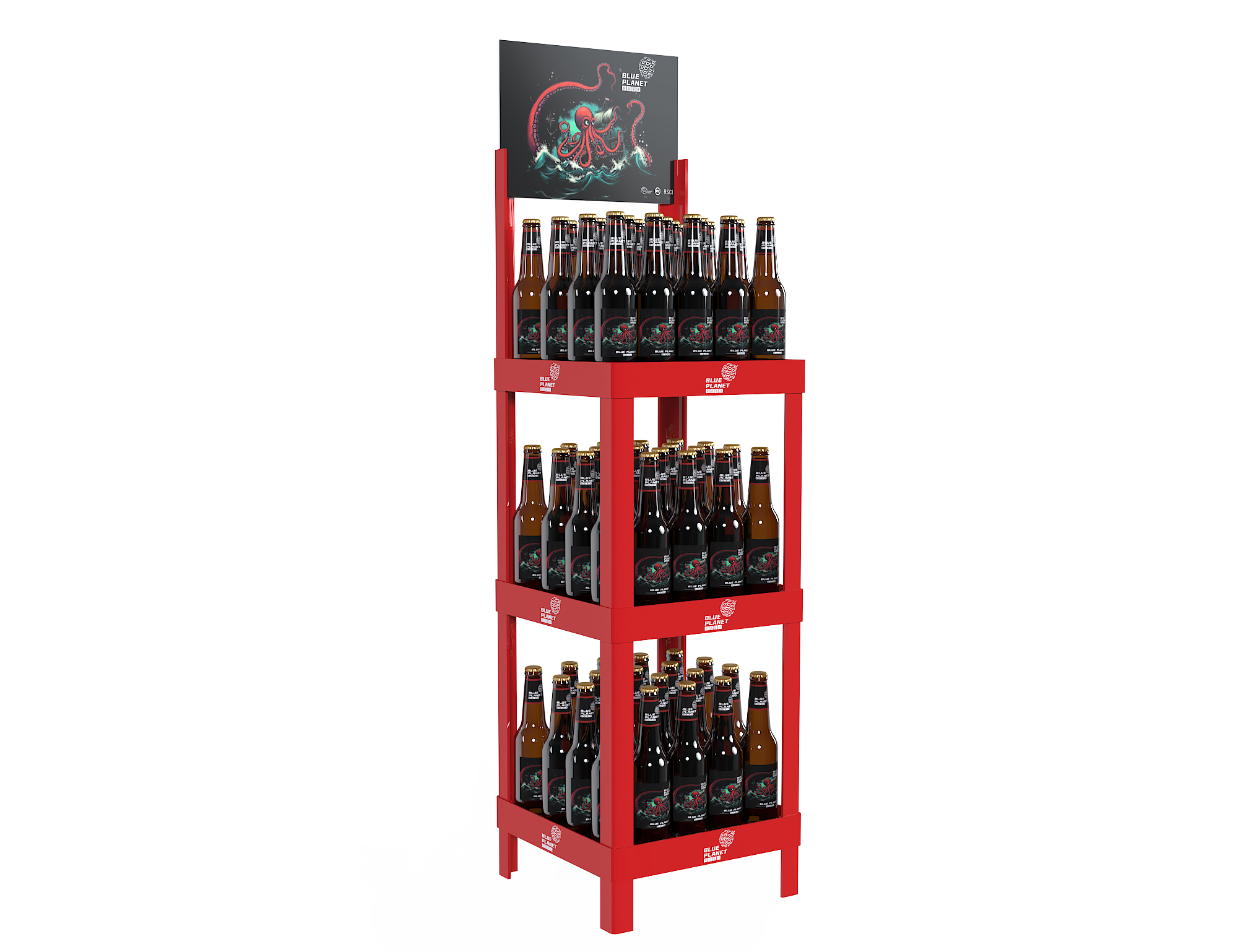
Retail terminals use the five senses — scent-releasing displays for detergent, deliberate color pairing around a brand’s core palette — to build immersive atmosphere and trigger instant emotional response such as joy, relaxation, or nostalgia. Themed displays tied to holidays, seasons, or cultural moments create emotional resonance, reinforcing the scene a shopper has already stepped into.
2. Packaging and Display as Emotional Symbols
Packaging becomes the medium itself: cute IP characters, healing-style illustrations, or limited collaborations turn a product into a carrier of emotional expression — shoppers “pay for the look” as much as the contents. Near the checkout, low-priced, high emotional-value impulse items convert the boredom of waiting in line into a random, low-friction purchase.
3. Promotion Strategy: Emotion-Driven Instant Conversion
Promotional copy shifts from “50% off” to “reward yourself with a moment of sweetness” — tying the discount to self-care and social-sharing needs rather than pure price. Light interactive mechanics, like a photo check-in for a small gift, build engagement stickiness far beyond a plain discount sticker ever could.
4. Data-Driven Precision Emotional Marketing
Member emotion tags combined with purchase history — labels like “stress-relief type” or “social type” — drive targeted offers, such as a late-night snack coupon pushed specifically to the “staying up late to de-stress” shopper segment.
5. Social Currency: Emotional Value, Shared Twice
Instagram-worthy installations encourage shoppers to photograph and share, creating low-cost viral spread that a paid media budget could never buy at the same price. User-generated storytelling campaigns embed the product into a shopper’s own life narrative, deepening emotional connection well past the moment of purchase.
The Bottom Line
In the era of emotional consumption, the retail terminal needs to shift from “transaction space” to “emotional resonance space.” Through scenario design, data, and social mechanics working together, brands convert momentary feeling into purchase action — while building long-term emotional loyalty. The core logic: use emotion to awaken need, use experience to amplify value, use social sharing to extend impact.
A useful test for any planned display or promotion is to ask which specific emotion it’s actually designed to trigger — relief, nostalgia, pride, belonging — rather than defaulting to a generic “quality” or “value” message. Displays built around a named emotion tend to get a sharper creative brief, a clearer photo-worthy moment, and a more specific piece of promotional copy than displays built around a category or a discount percentage alone.
A short emotional-design checklist worth running before any seasonal or promotional display goes to production:
- Name the single emotion the display is meant to trigger, in one word, before writing any copy
- Confirm at least one sensory element — scent, sound, texture, or color — is doing active work, not just sitting decorative
- Check that the promotional message ties the offer to a feeling, not only to a percentage off
- Build in one genuinely shareable moment, even a small one, rather than relying on the display alone to generate word of mouth
Related: the scenario-marketing secret FMCG brands use and brand activation: from static POSM to interactive tools. External reference: Harvard Business Review’s research on emotion-driven consumer decision-making backs the framework above.