








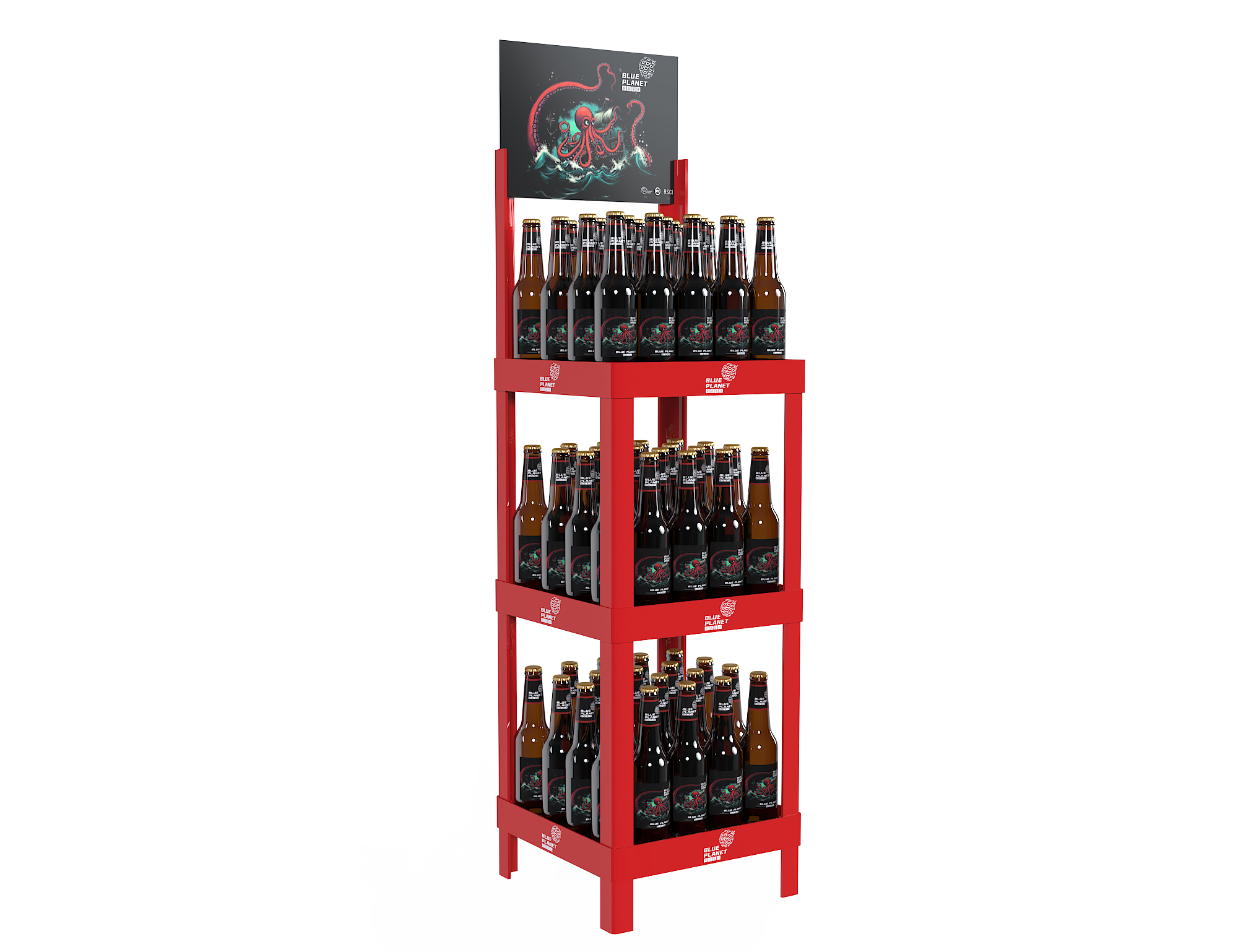


Retail Conversion Strategy: Pain, Itch, Delight, and Viral Points
In FMCG, the physical retail terminal is the “last-meter battlefield” of consumer decision-making. The question is how to precisely identify pain points, itch points, delight points, and viral points — and convert them into action right there at the shelf. This is the core of an effective retail conversion strategy.
The Four-Point Shopper Psychology Framework
1. Pain Point — Removing Purchase Friction
Typical scenarios include price sensitivity, where unclear promotions make comparison shopping hard, and low decision efficiency, where too many similar products crowd a shelf without enough guiding information. To surface these, walk the store simulating the shopper’s actual path and log every friction point, and interview frontline staff about the complaints they hear most often.
2. Itch Point — Awakening Hidden Desire
Typical scenarios include identity signaling (an imported-food aisle satisfying a “refined lifestyle” image), emotional value (limited flavors or brand collaborations), and curiosity driven by novel display mechanics. Shelf heat-mapping and A/B testing between traditional end-cap displays and scenario-based ones reveal which of these actually move product.
3. Delight Point — Creating Instant Gratification
Typical scenarios include convenience through multi-location “grab-and-go” placement, surprise through bonus samples or gifts with purchase, and sensory stimulation like a cooling mist effect for summer refreshment.
4. Viral Point — Triggering Social Spread
Typical scenarios include social currency, such as a themed photo wall, and counter-intuitive promotions that get talked about precisely because they break an expected pattern.
Matching Strategy to Conversion
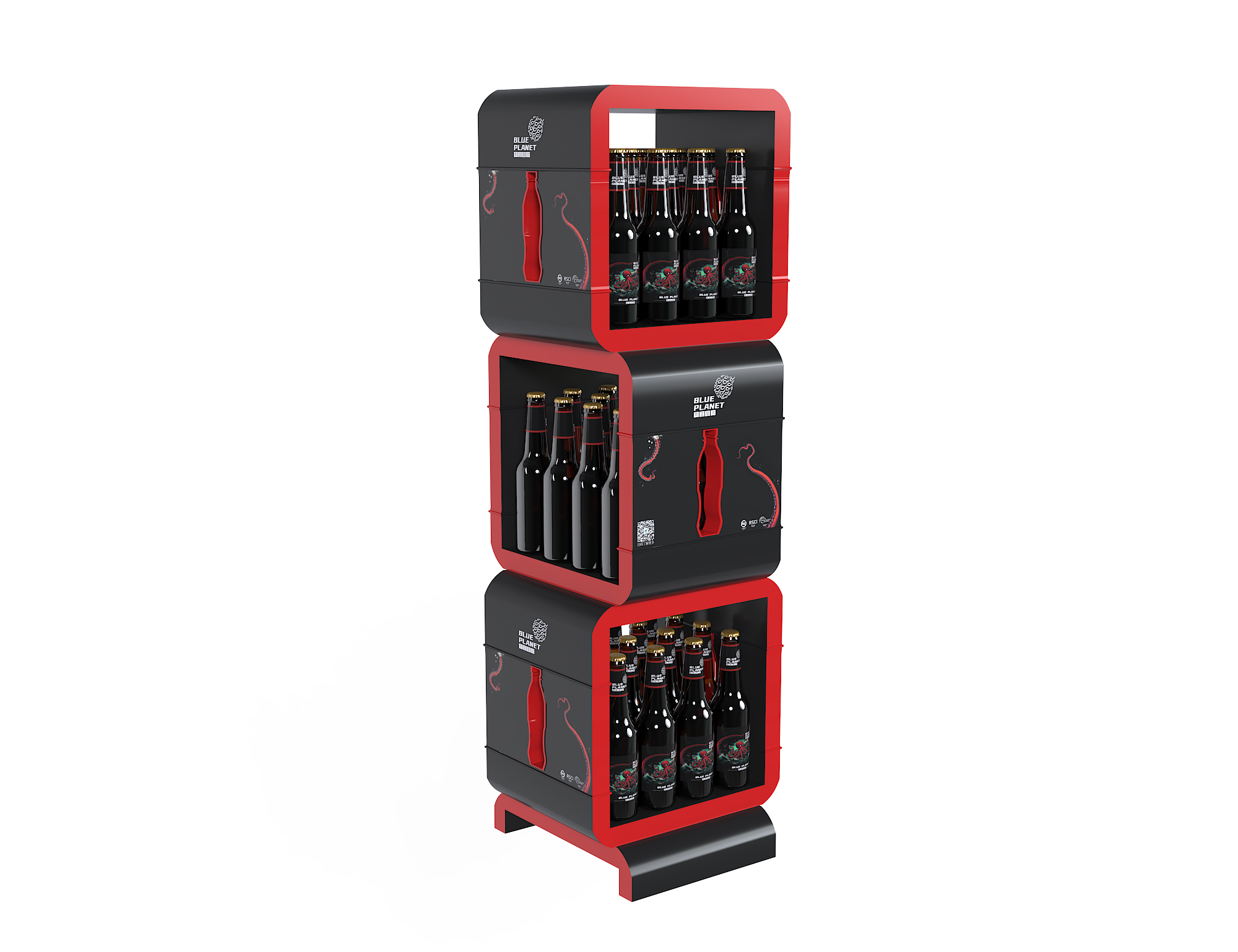
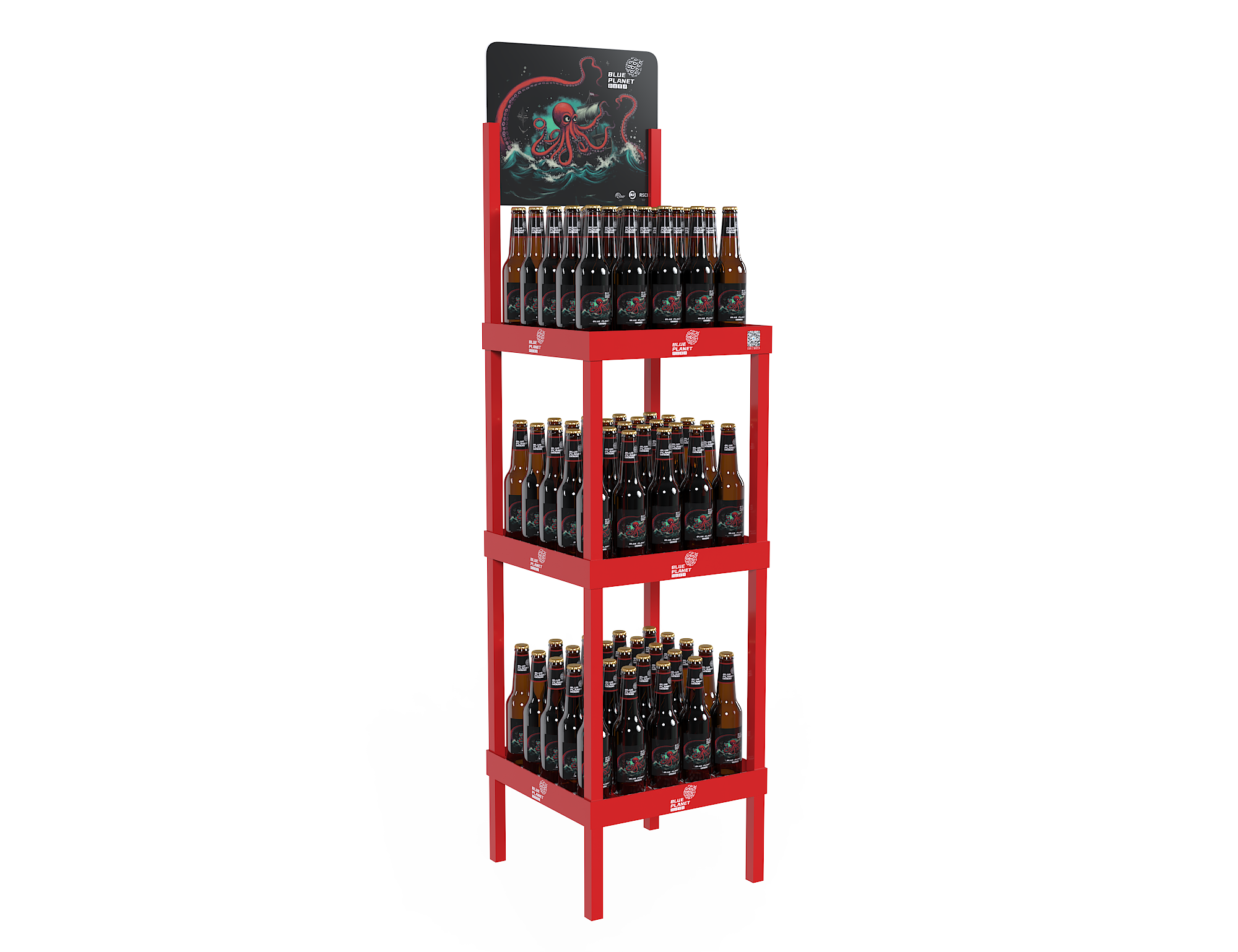
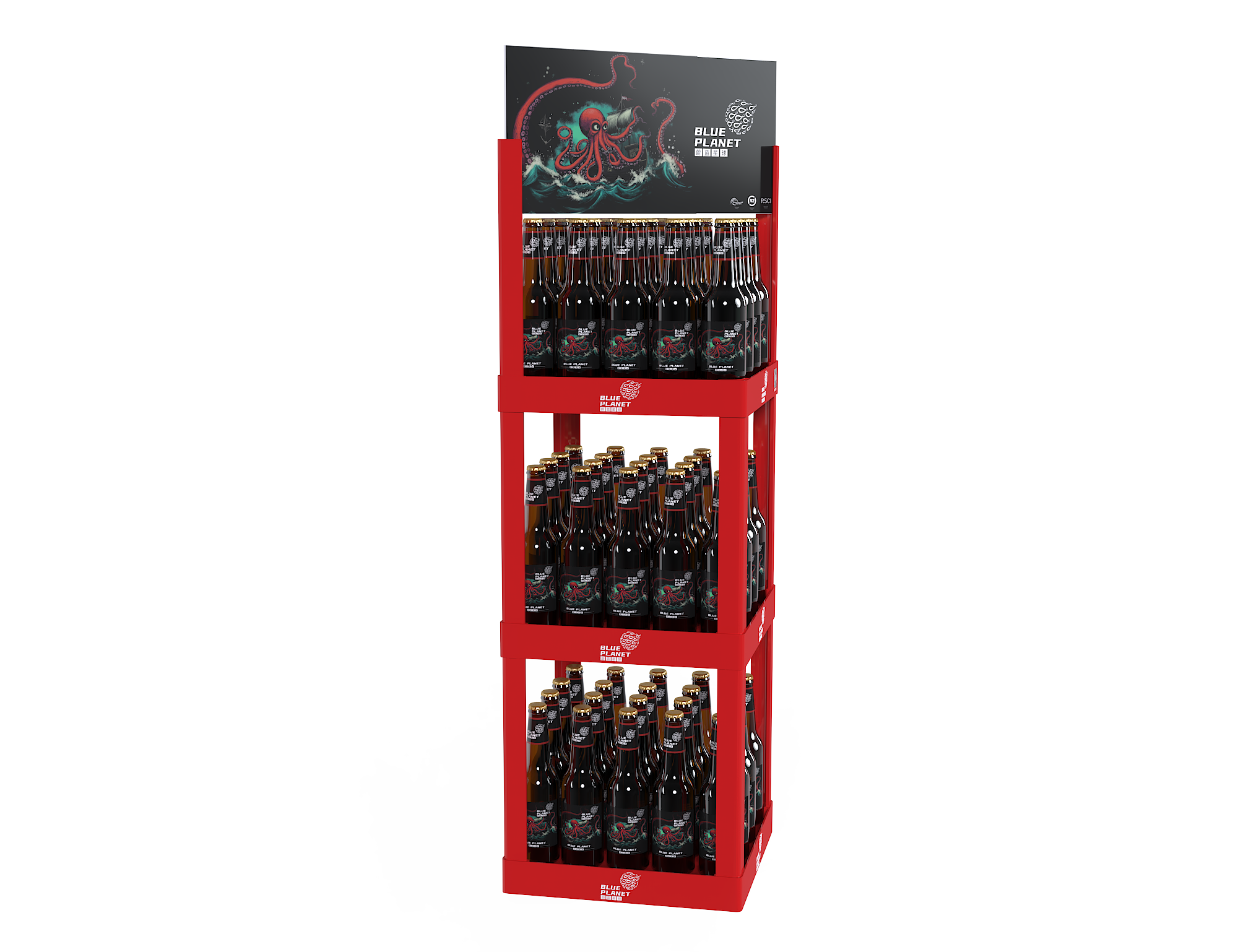
Path design: place high-frequency staples in multiple zones to drive cross-category purchase, and pair products with real-use scenarios to spark desire before a shopper has consciously decided to buy anything.
Promotional hooks by need type: a pain hook lowers the trial barrier with simple, reassuring instructions; an itch hook creates scarcity with limited-edition framing; a delight hook gives instant feedback through scan-to-save mechanics; a viral hook rewards sharing with a small, limited-edition gift for posting a short video.
Case Study: The Mini-Can Fix
Coca-Cola’s mini cans solve a real pain point: shoppers worried about wasting a large bottle, or that it goes flat before they finish it. The terminal strategy stacked 250ml mini cans in convenience-store coolers labeled “just right for one.” Result: the mini can became one of the fastest-growing SKUs in convenience retail, purely by mapping a pain point directly onto a product format and shelf placement.
To apply this framework to your own category, run a simple exercise per SKU: name the single biggest pain point a shopper feels when buying it, the single biggest itch or aspiration it could satisfy, the fastest way to deliver instant gratification at the shelf, and one small, low-cost mechanic that would make someone want to share the purchase. A product with a clear answer to all four rarely needs a price cut to move off the shelf.
A one-line audit for each of the four points, applied to a single SKU:
- Pain: what specific frustration does this product remove, in the shopper’s own words
- Itch: what aspiration or curiosity does it quietly satisfy
- Delight: what happens in the first three seconds after purchase that feels like a small win
- Viral: what would make someone tell a friend about it unprompted
Bottom line: by combining pain-itch-delight-viral design offline, FMCG brands turn the terminal into an “immersive conversion zone” where seeing is buying.
Related: how Coca-Cola turns a single SKU into a display standard and why 70% of purchases are decided at the shelf. External reference: Google/Think with Google consumer research on price vs. emotion in purchase decisions supports the itch-point framework above.