









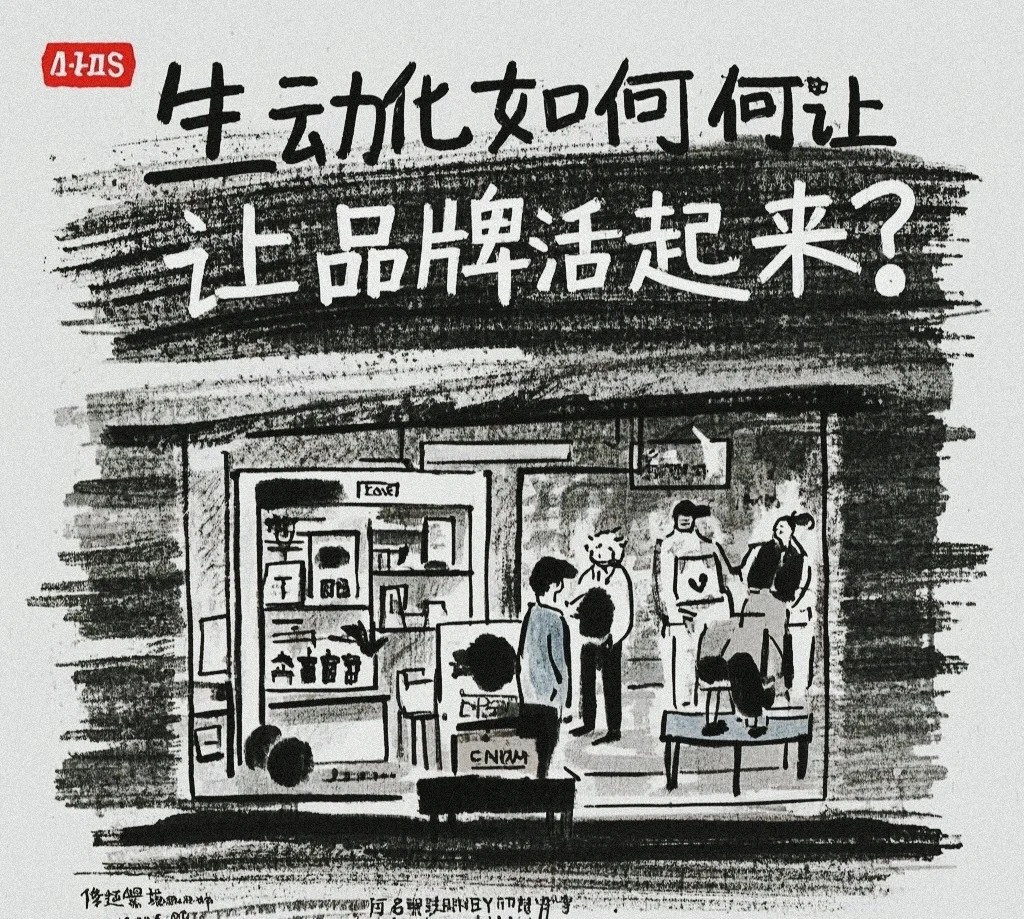
Brand Activation: From Static POSM to Interactive Marketing Tools
There’s an interesting shift happening in brand marketing right now — from “materials thinking” to “marketing-tool thinking.” Brands aren’t building cold, static billboards anymore; they’re building things shoppers can interact with, get inspired by, and even feel connected to. This is brand activation in practice — using display materials as an entry point, not an endpoint.
1. The Old Way: Design It Nicely and You’re Done?
Traditional brand promotion focused almost entirely on materials design — premium packaging, eye-catching posters, tidy displays. One sportswear brand famously spent heavily on a logo redesign, only to have younger shoppers dismiss it as “trying too hard to look young.” The problem: focusing purely on “looking good” while ignoring genuine emotional need and participation. It’s like buying clothes you can only look at, never try on — hard to fall in love with.
2. The New Way: Make the Material “Come Alive”
Modern brands no longer settle for static display — they turn materials into an entry point that connects with shoppers directly. Scan-to-open surprises unlock red packets and lottery draws, turning a bottle into an interactive game. Crossover collaborations built around scenarios pair a striking product design with a themed pop-up store, driving shoppers to line up and photograph the experience. Tactile packaging design — a matte finish, an embossed texture — sparks spontaneous unboxing photos shared without any prompting at all.
The core logic: materials aren’t the finish line anymore — they’re the starting point for experience, social sharing, and data collection.
3. Four Moves to “Marketing-Tool-ify” Your Brand
- Digital interactivity: AR try-on, AI-generated posters — let shoppers actively participate rather than passively look.
- Crossover breakthroughs: collaborate with brands or IPs from unrelated categories to reach an audience your own marketing never could alone.
- Scenario-based experience: embed the product into real life, like a “cup return” program that ties sustainability to an emotional payoff.
- Emotional value, maximized: shift from “creating promotions” to “creating emotional value” — a short brand film tells a story instead of shouting “best-selling.”
The Takeaway
The essence of brand activation is making the product speak and the brand feel warm. Whether you’re a major brand or a small business, the way to truly occupy a shopper’s mind is to move past “materials thinking” and combine creativity, technology, and emotion into one coherent piece of terminal experience.
A quick way to test whether a planned piece of POSM qualifies as brand activation rather than static material: ask what a shopper can actually do with it beyond looking at it. If the honest answer is “nothing,” it’s still materials thinking, however good the artwork looks. If shoppers can scan it, photograph it, unlock something from it, or share it, it has crossed the line into a genuine marketing tool — and that’s the version worth budgeting for first.
A short checklist for greenlighting a brand-activation concept before production:
- Confirm there’s a real action a shopper can take beyond looking — scanning, unlocking, trying, sharing
- Check that the reward for that action feels worth the ten seconds it takes to participate
- Make sure the mechanic works without a store associate needing to explain it
- Plan for how the resulting data or content gets captured and reused after the campaign ends
Related: the scenario-marketing secret FMCG brands use 和 turning emotional consumption into retail terminal strategy. External reference: Adweek’s case studies on brand collaboration and pop-up activation are a strong dofollow citation for this piece.