Bluebull@posmesg.com
 Contact us for the best deals for your business.

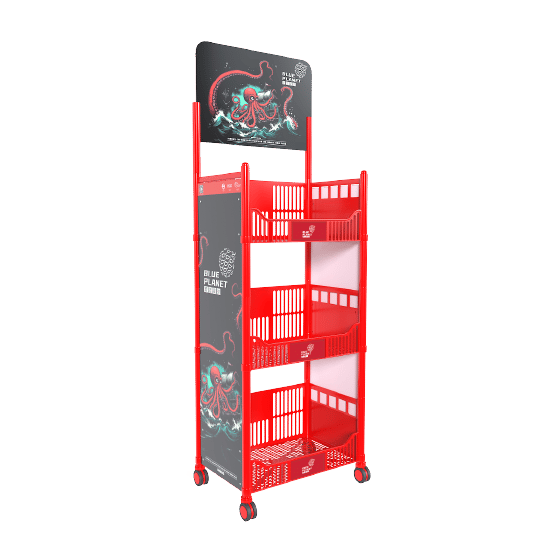
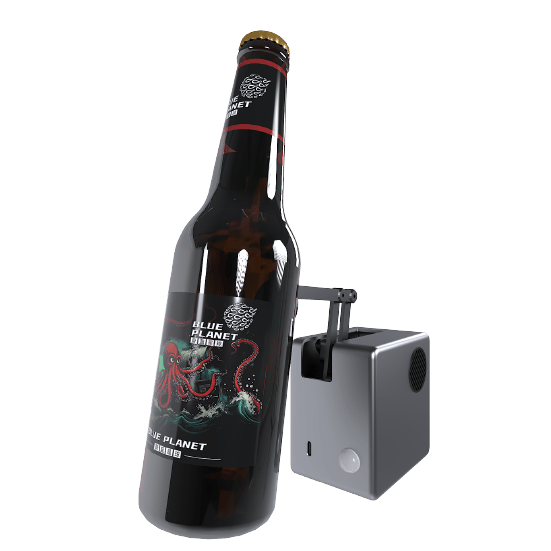
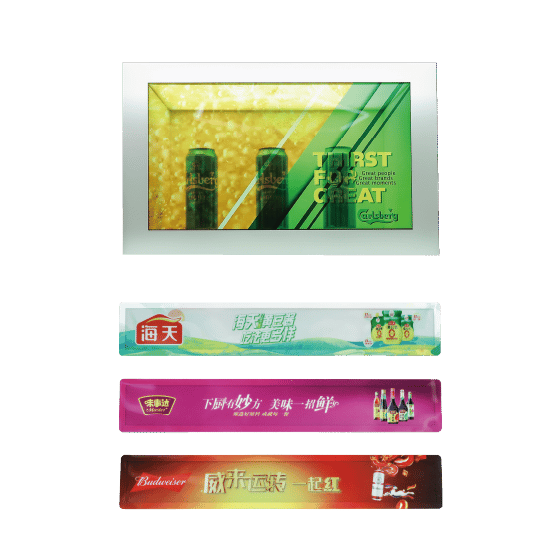
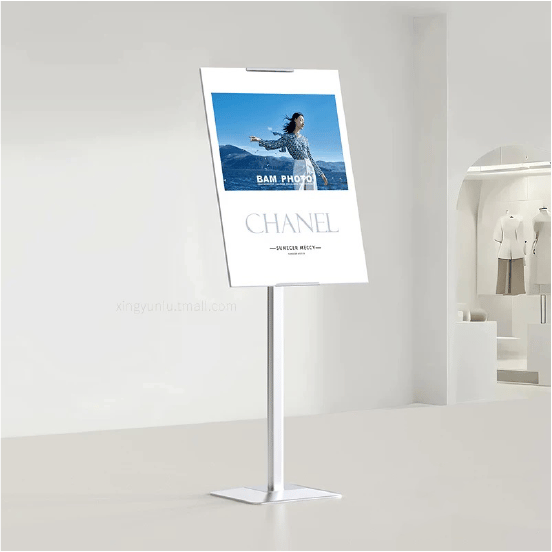
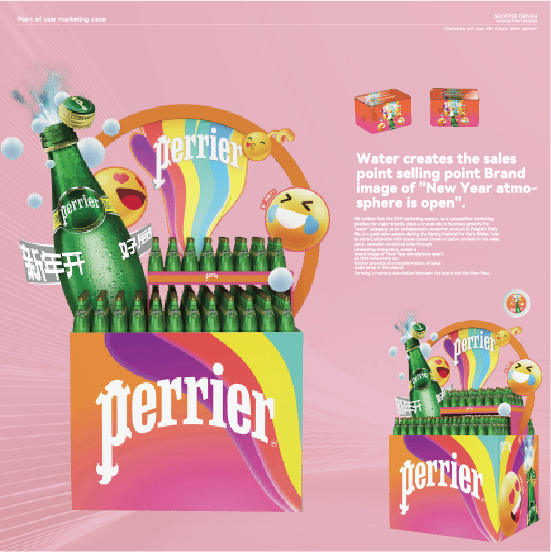

What is POSM? POSM stands for point-of-sale materials: the displays, signs, stands and other items placed where a shopper chooses and pays for a product. A shelf strip, a lightbox, a floor stand, a shopping basket or a small screen on a counter are all POSM. Their job is simple: get noticed, say something clear about the product, and make buying easier.
What is POSM and why does it matter?
Most buying decisions in a store happen in a few seconds, among dozens of similar products. Advertising on TV or social media creates awareness, but at the shelf only what the shopper can see and touch counts. POSM is the last piece of communication before the purchase.
Good POSM helps a brand in four ways:
- Visibility: it makes your product easier to find in a crowded aisle.
- Message: it explains an offer, a launch or a benefit in a few words.
- Consistency: the same look in every store builds recognition.
- Action: it points the shopper to the product, to a sample or to a promotion.
You may also see the terms POS, POP or merchandising. In daily use they overlap. POSM is the most precise word for the physical materials themselves, while point-of-sale marketing is the wider activity. For the bigger picture, read our complete guide to point-of-sale marketing.
The main types of POSM
It helps to sort POSM by what it does in the store. Three groups cover most projects.
1. Display and holding items
These hold the product or put it in a better position: floor and counter stands, door-shaped display racks, shopping baskets, product pushers and shelf accessories. They are the working part of the store, so strength and stable fit matter as much as looks.
2. Branding and message items
These carry the brand and the offer: lightbox display stands, X banner stands, flip stands, posters, shelf strips and hanging signs. They are usually the fastest and lowest-cost way to refresh a campaign.
3. Interactive and digital items
These add movement, light, sound or content: swinging machines, sampling machines, interactive boxes that react when a shopper comes close, and screens such as bar, delivery or backpack screens. They cost more, but they stop shoppers and can be updated with new content.
Examples from the Blue Bull product lines
To make the groups concrete, here is how they appear in our range. You can browse them in the product catalog.
- Smart interactive: Eyou Box machines that move, light up and talk to shoppers.
- Digital display: bar, delivery, water-meter and backpack screens for changing content.
- POP accessories: baskets, pushers and other items that guide shoppers to your product.
- Customized POSM and giveaways: displays and gifts made to your design, at different volumes.
- ESG products: displays made from recycled plastic, paper and metal, built to be reused.
How to choose the right POSM
Start from the goal, not from the item. A short checklist:
- Goal: launch, promotion, brand image or sampling? Each points to a different type.
- Place: supermarket, convenience store, pharmacy or small shop? Space, power supply and store rules differ.
- Duration: a two-week promotion needs a light, low-cost item; a year-round display needs durable materials.
- Number of stores: more stores means simpler assembly, easier shipping and stricter quality control.
- Materials: think about reuse and recycling from the start. It also helps with retailer requirements.
- Budget: plan the cost of production, shipping and installation together, not only the unit price. Our POSM budget guide for new brands shows how.
Our services follow the same logic in three phases: think (study shoppers and the market), make (design, prototype and produce) and deliver (ship, store and install). You can brief once and we handle the rest.
Frequently asked questions about POSM
Is POSM the same as POP?
Almost. POP means point of purchase and POSM means point-of-sale materials. People often use them for the same items. POSM stresses the physical materials placed in store.
Do small brands need POSM?
Yes, and often more than large brands, because they have less shelf space and less recognition. A small, well-placed item can make a real difference. Start with one or two simple items and measure the result.
How long does it take to make POSM?
It depends on the type, the quantity and whether it needs a new design or a prototype. Tell us the date you need it in store and we will plan backwards from there.
Planning an in-store campaign? Send us your brief and we will reply with a plan, a prototype and a price.