








Experiential Retail Marketing: The Scenario Secret FMCG Brands Use
Ever notice this happening to you? You go in for a bottle of water and walk out with a bag of chips too. You’re strolling past a store and a drink sample pulls you in — next thing you know, you’ve ordered a whole case. Behind it is a brand’s experiential retail marketing — the deliberate use of scenario design to control what ends up in your cart.
Why FMCG Brands Fight So Hard for Retail Scenarios
99% of products on a shelf look basically the same — price wars stopped working a long time ago. Scenario-based experience is the hook that wedges a product into a gap in your daily life. The data is dramatic: shelves with sampling convert 30% higher, and a “breath-check kiosk” placed next to a toothpaste display lifted repurchase by 25%.
Three Ways to Spot “Scenario Marketing” in the Wild
① Precise positioning — “this is talking about me!”
High-frequency essential scenarios place energy drinks near a gym entrance or a convenience store’s breakfast zone. Extended potential scenarios position shampoo in an office-building convenience store as a “workplace volume” persona. Holiday social scenarios pair gift boxes with festive props like lanterns or seasonal mascots — all anchoring a product to a specific moment in a shopper’s day rather than leaving it generic on a shelf.
② Five-sense immersion — turning the supermarket into a theme park
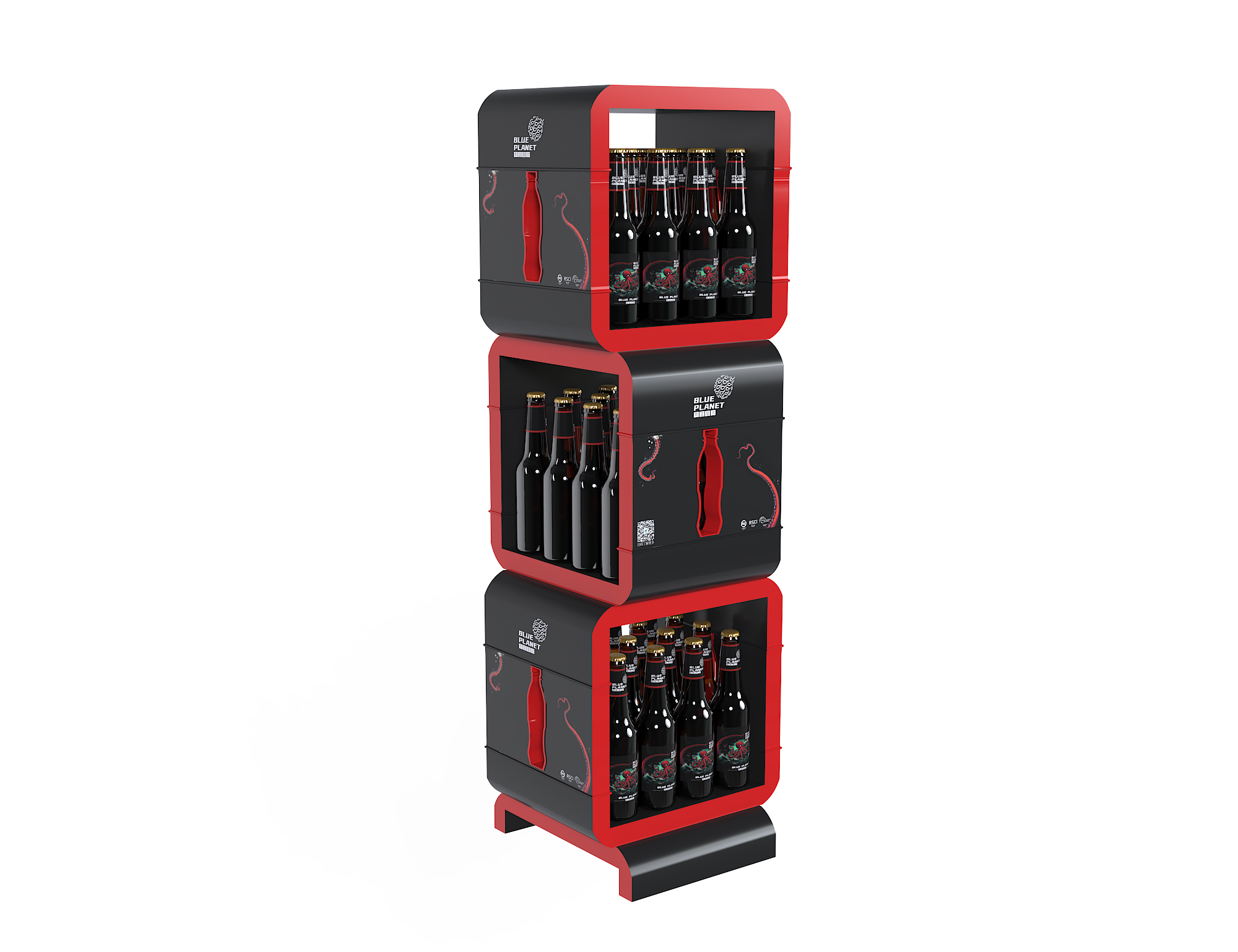
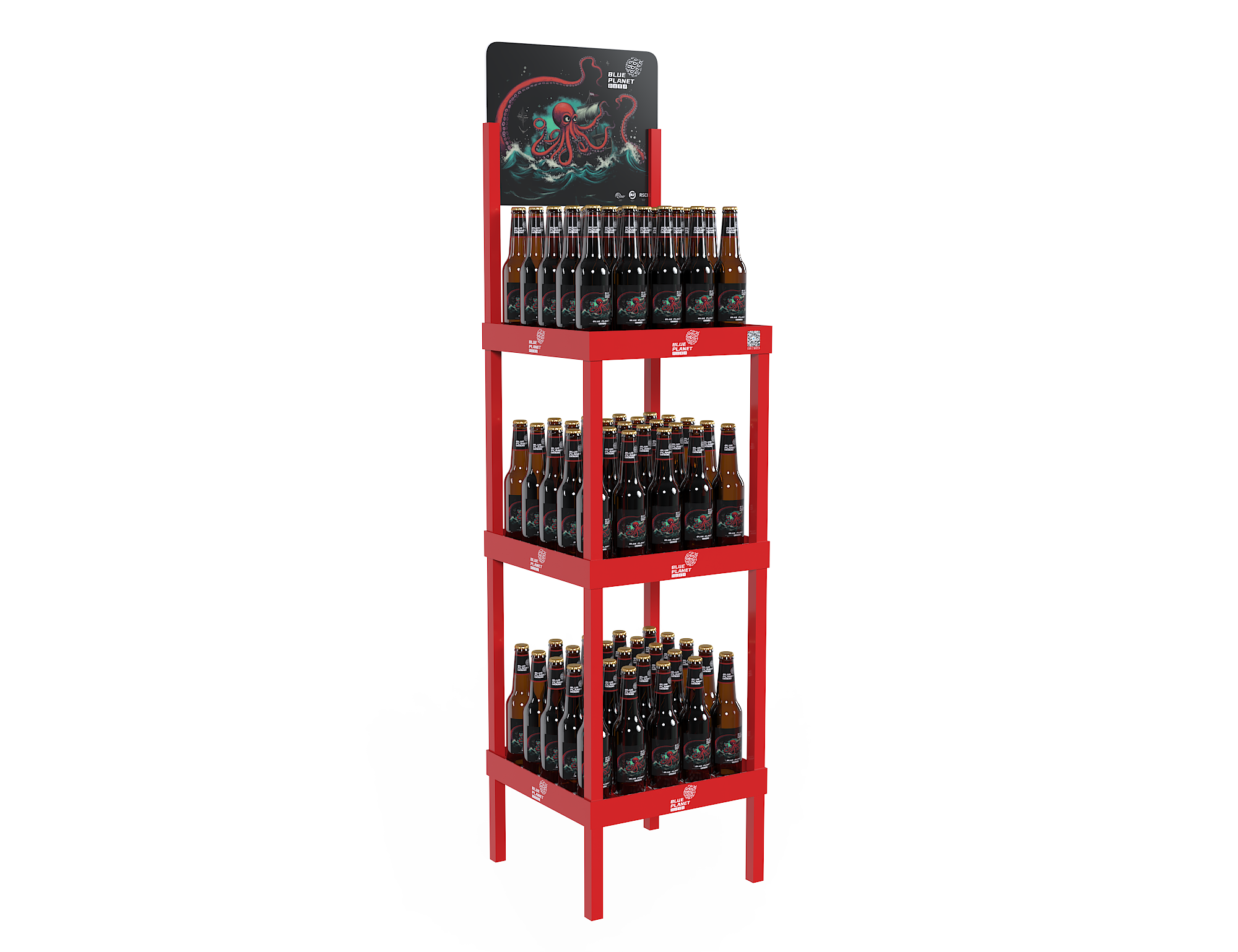
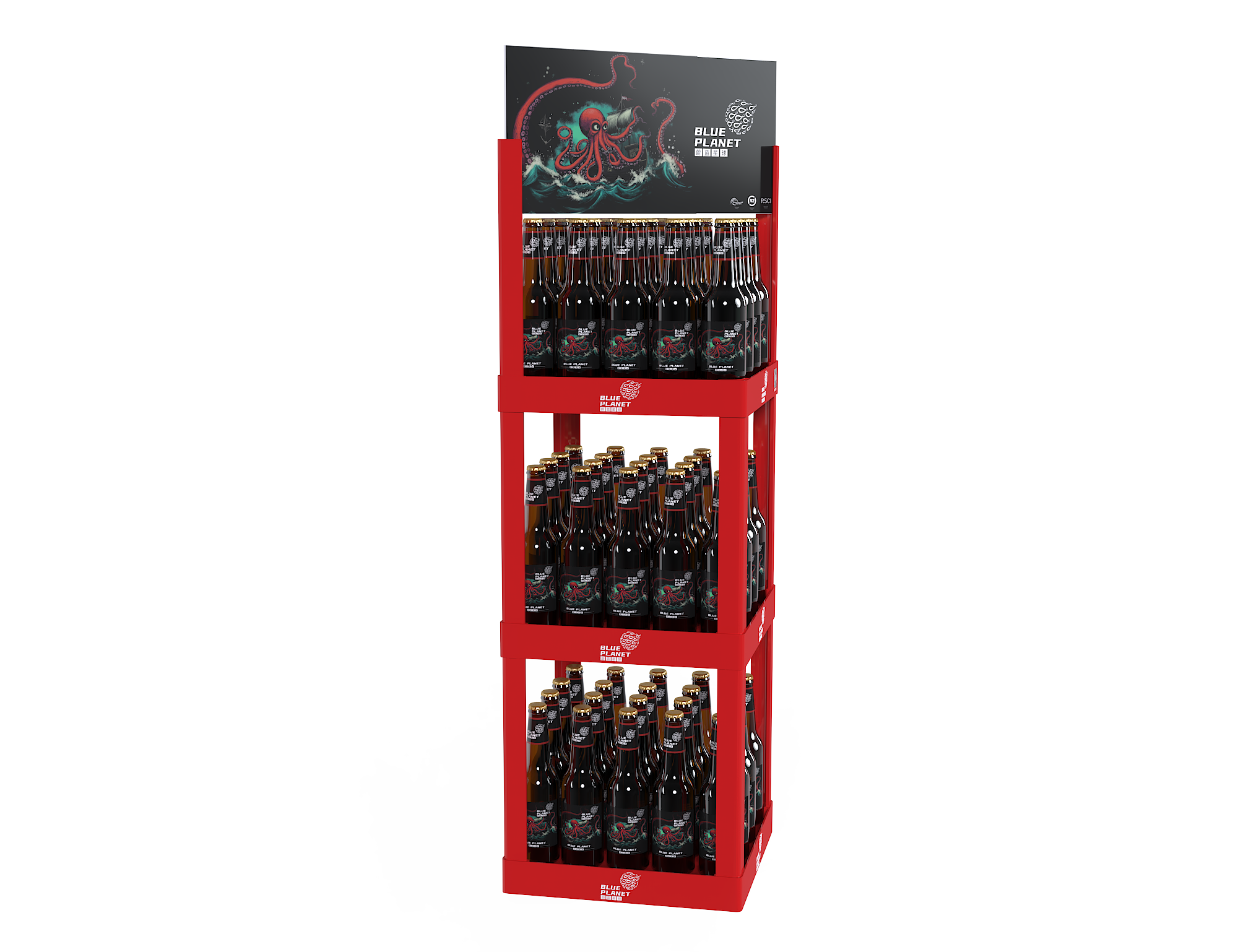
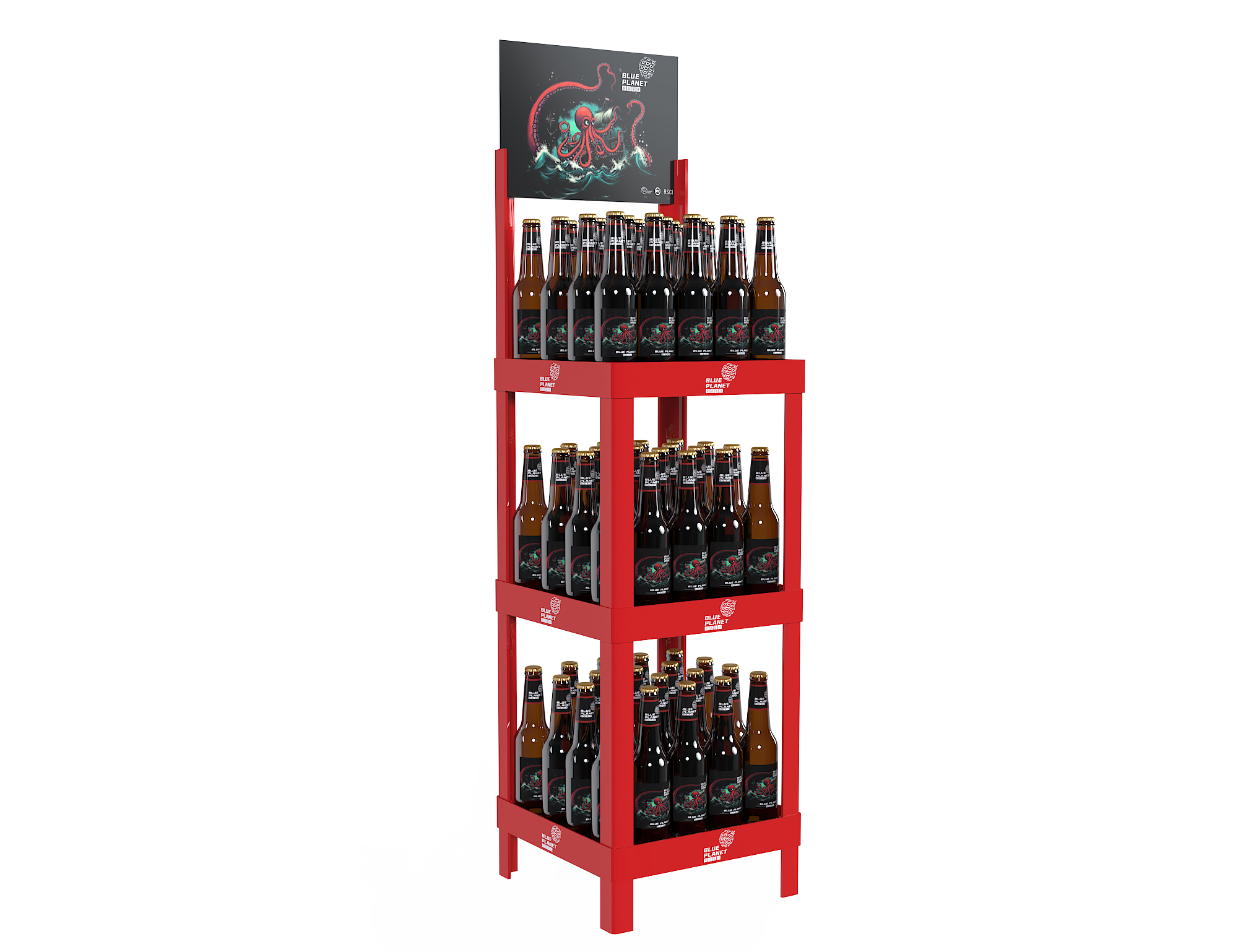
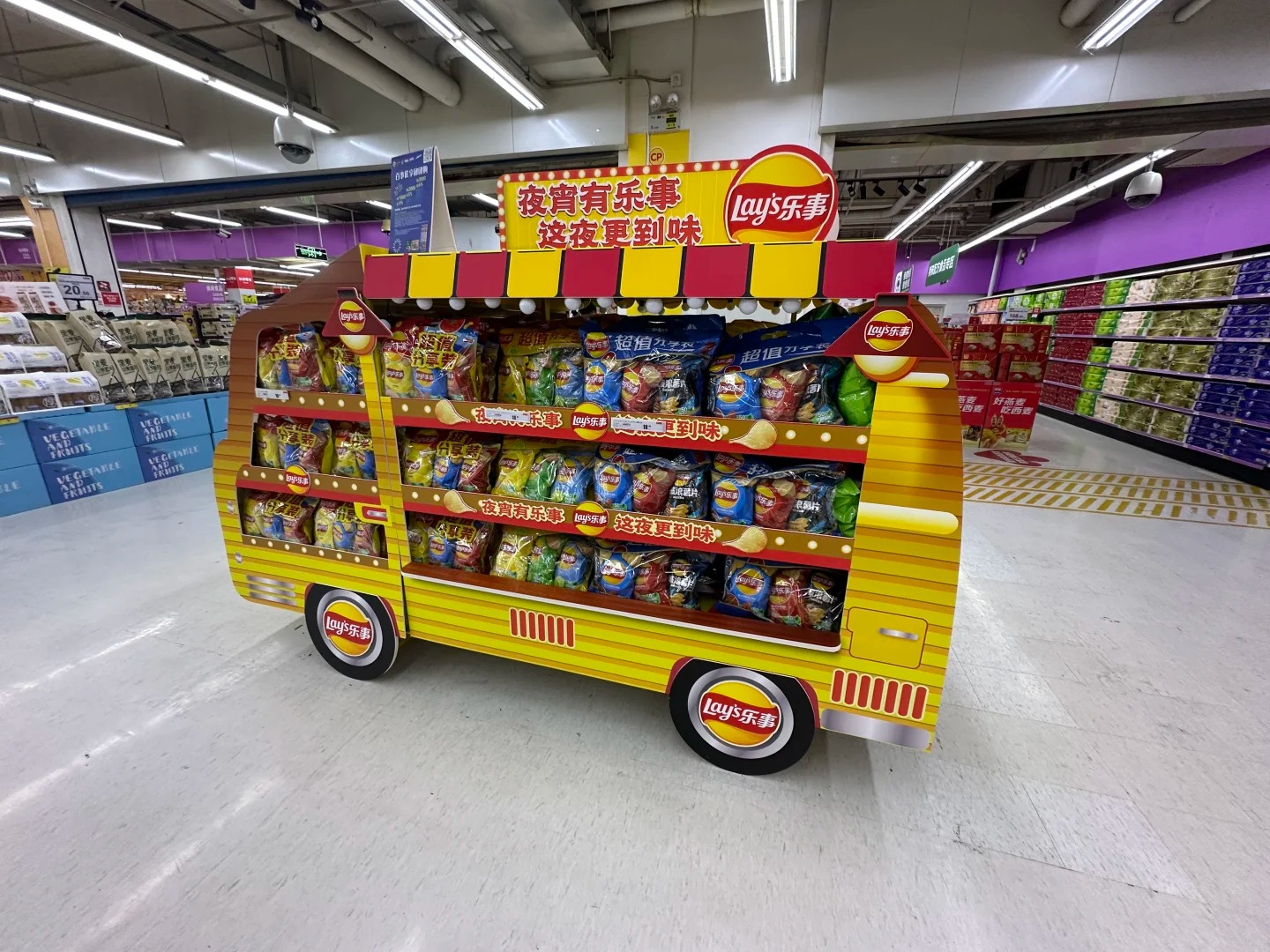
Sight is captured through a themed end cap that instantly evokes a season or mood. Interaction comes from scan-to-play AR games tied to packaging. Taste comes from a sampling tray placed next to a bestselling item. The key lesson: don’t just target the eyes — capture the nose, hands, and mouth too.
③ Online-to-offline lock-in — scanning gets you hooked
Scanning the shelf code delivers an instant coupon. Playing an AR game enters a shopper into a draw for limited merchandise. After leaving the store, a push notification delivers a second nudge — “the coffee you sampled is half price delivered right now.”
Watch Out for These Mistakes
Forcing a persona that doesn’t fit a channel backfires badly — a shampoo brand pitching “construction-site dust protection” in a hardware store is wildly off-target. The fix is to ask shoppers first, using something as simple as a community poll, rather than guessing internally. A custom display used only once is also expensive to justify — co-branding with the retailer to split costs, and reusing modular props across campaigns, keeps the economics sustainable.
Before greenlighting any scenario concept, it’s worth pressure-testing it against three questions: does this scenario actually match how real shoppers in this specific channel behave, is the emotional or practical hook specific enough that a shopper would recognize it as “for me” within a few seconds, and can the physical props be reused across at least two more locations or campaigns. Concepts that fail any of these tend to be the expensive, one-off displays that quietly disappear after a single promotional cycle.
Bottom line: a brand with no scenario is invisible on the shelf. A brand that builds the right scenario gets shoppers to willingly open their wallets.
Related: turning emotional consumption into retail terminal strategy and the pain-itch-delight-viral shopper psychology framework. External reference: Progressive Grocer’s retail merchandising and sampling ROI case studies back the 30% conversion-lift figure above.